
Pigeon Fever in Tucson Horses: Signs, Limb Swelling, Treatment & Prevention
Pigeon Fever Cases Increasing in Tucson Horses
Veterinarians in Tucson are currently seeing a noticeable rise in pigeon fever cases in horses, a bacterial infection caused by Corynebacterium pseudotuberculosis. While this condition is not new to Southern Arizona, recent cases highlight both classic symptoms and less commonly discussed presentations, including distal limb swelling.
Understanding what to look for can help horse owners act quickly and reduce complications.
What Is Pigeon Fever?
Pigeon fever is a contagious bacterial infection that typically causes external abscesses, most commonly in the chest area. The condition gets its name from the characteristic swelling in the pectoral region, resembling a pigeon’s breast.
However, Tucson veterinarians are currently seeing more variation in presentation, particularly involving the lower limbs.
Common Symptoms of Pigeon Fever in Horses
Classic Signs
Swelling in the chest (pectoral muscles)
Formation of abscesses that may rupture
Fever
Lethargy
Decreased appetite
Less Common but Increasingly Observed
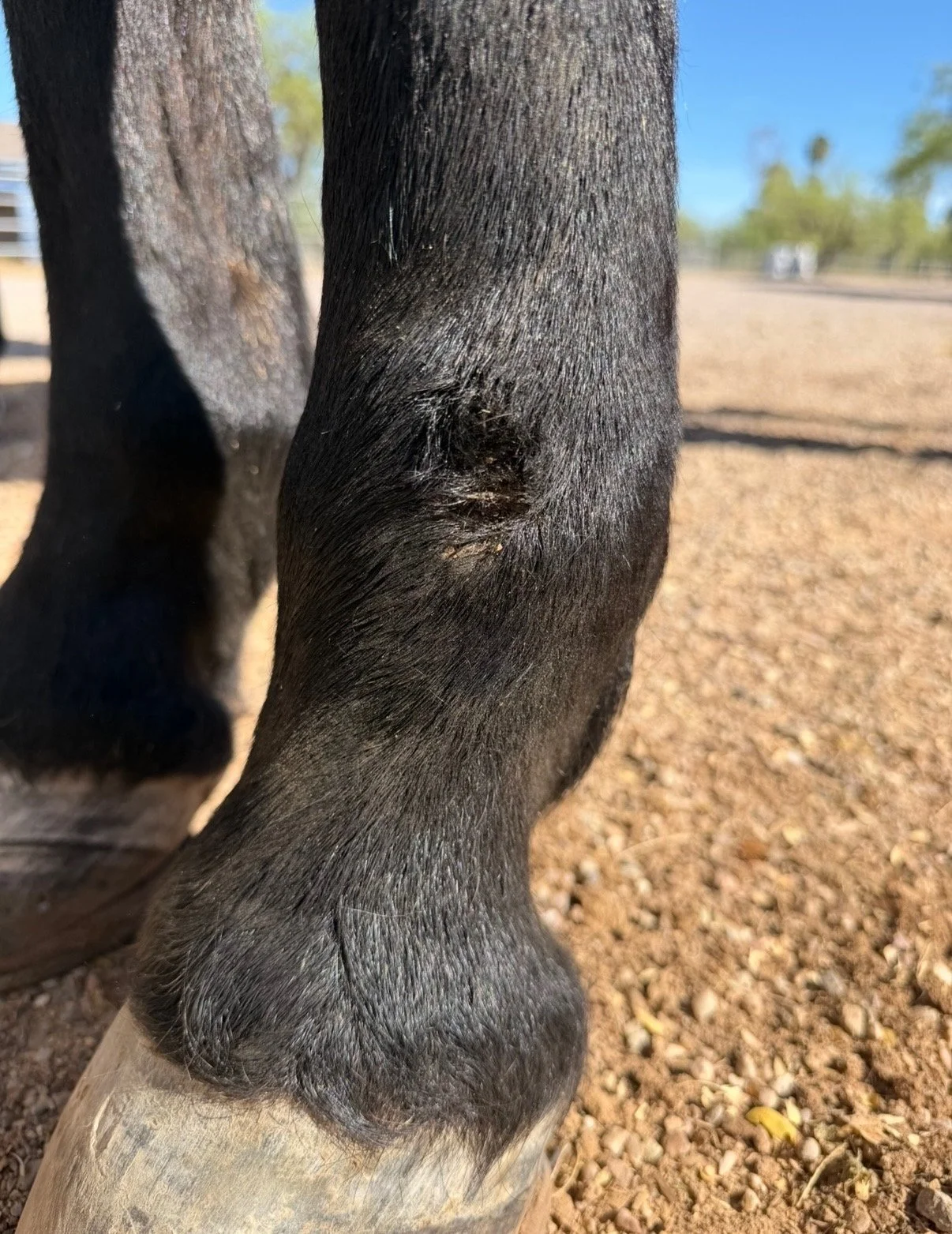
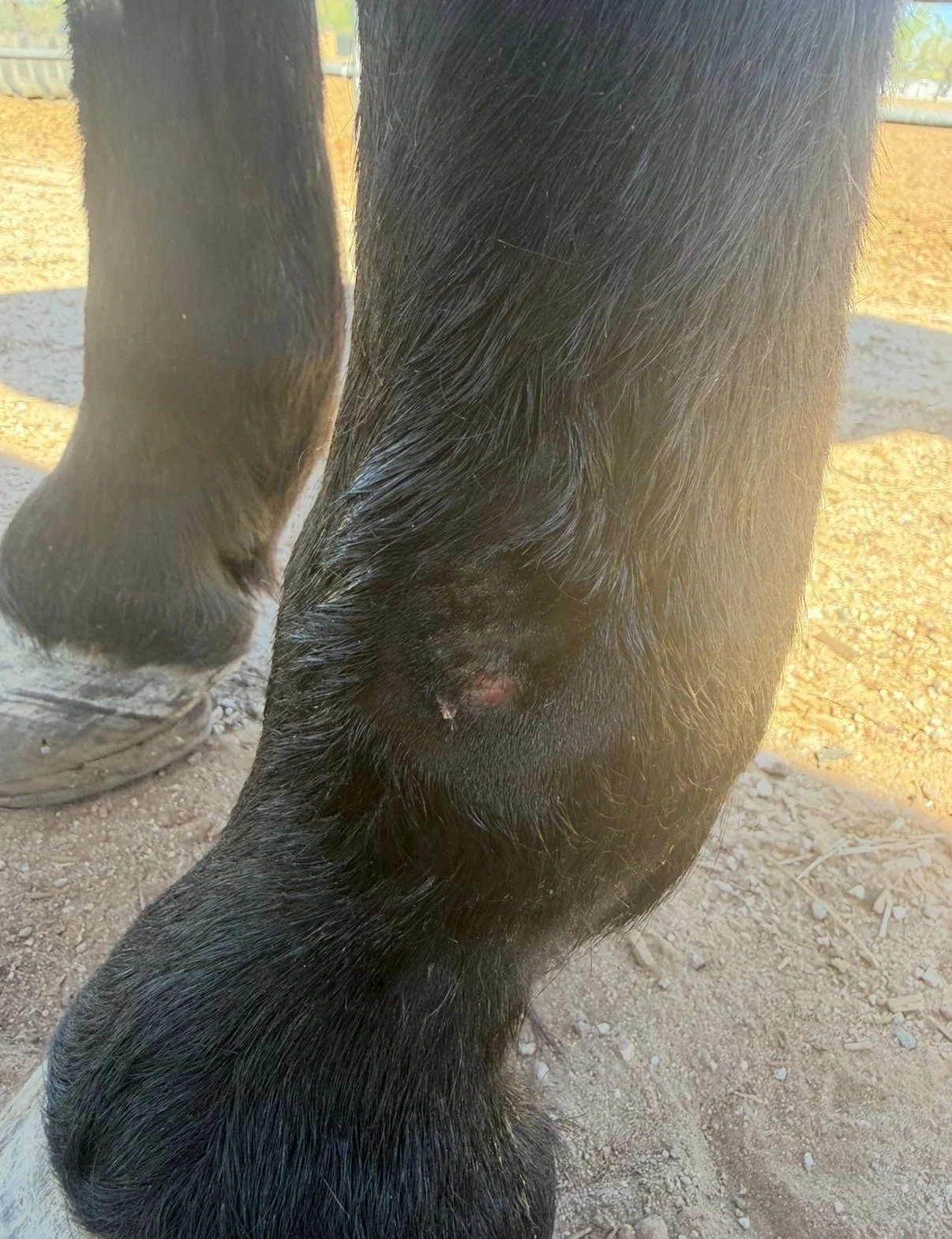
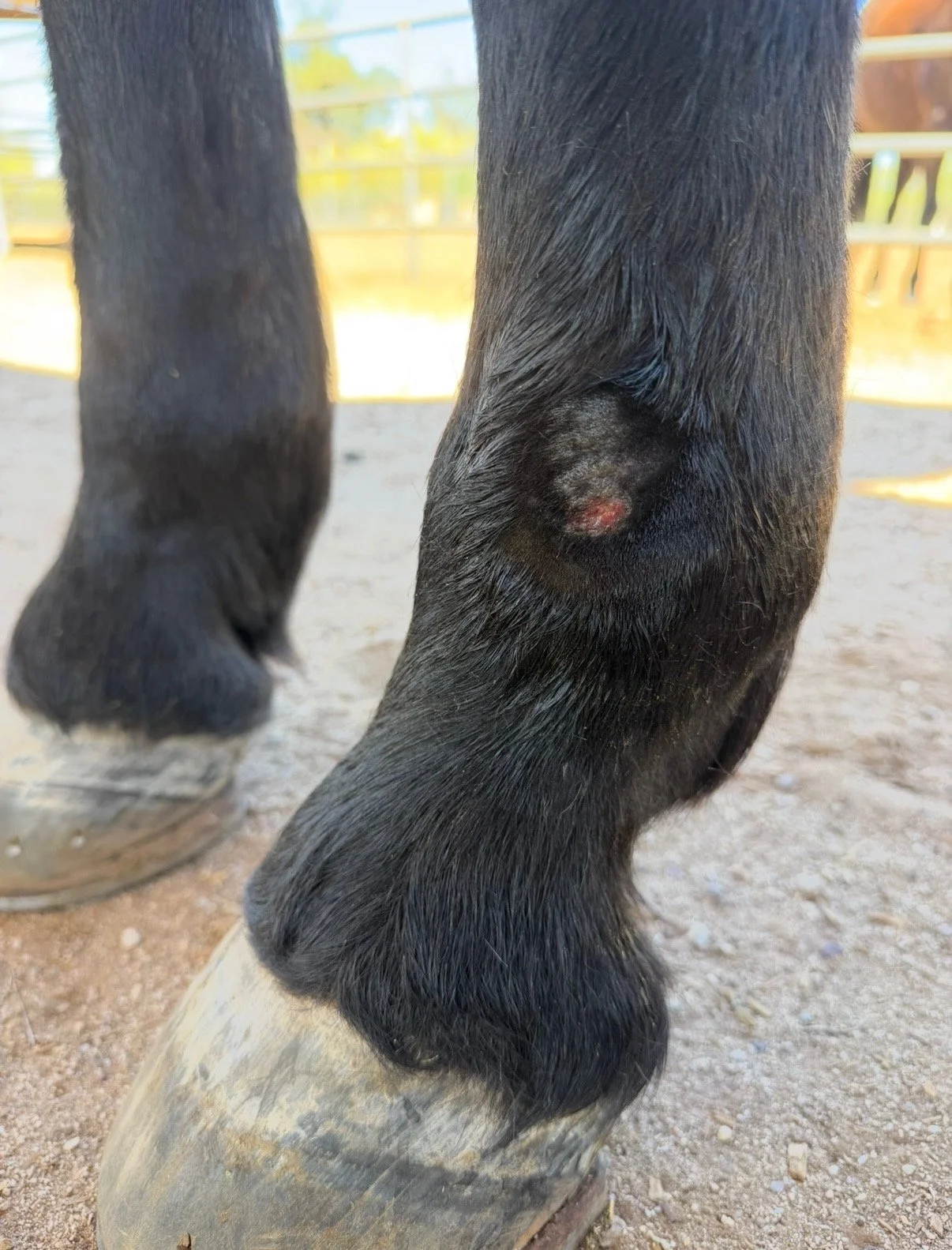
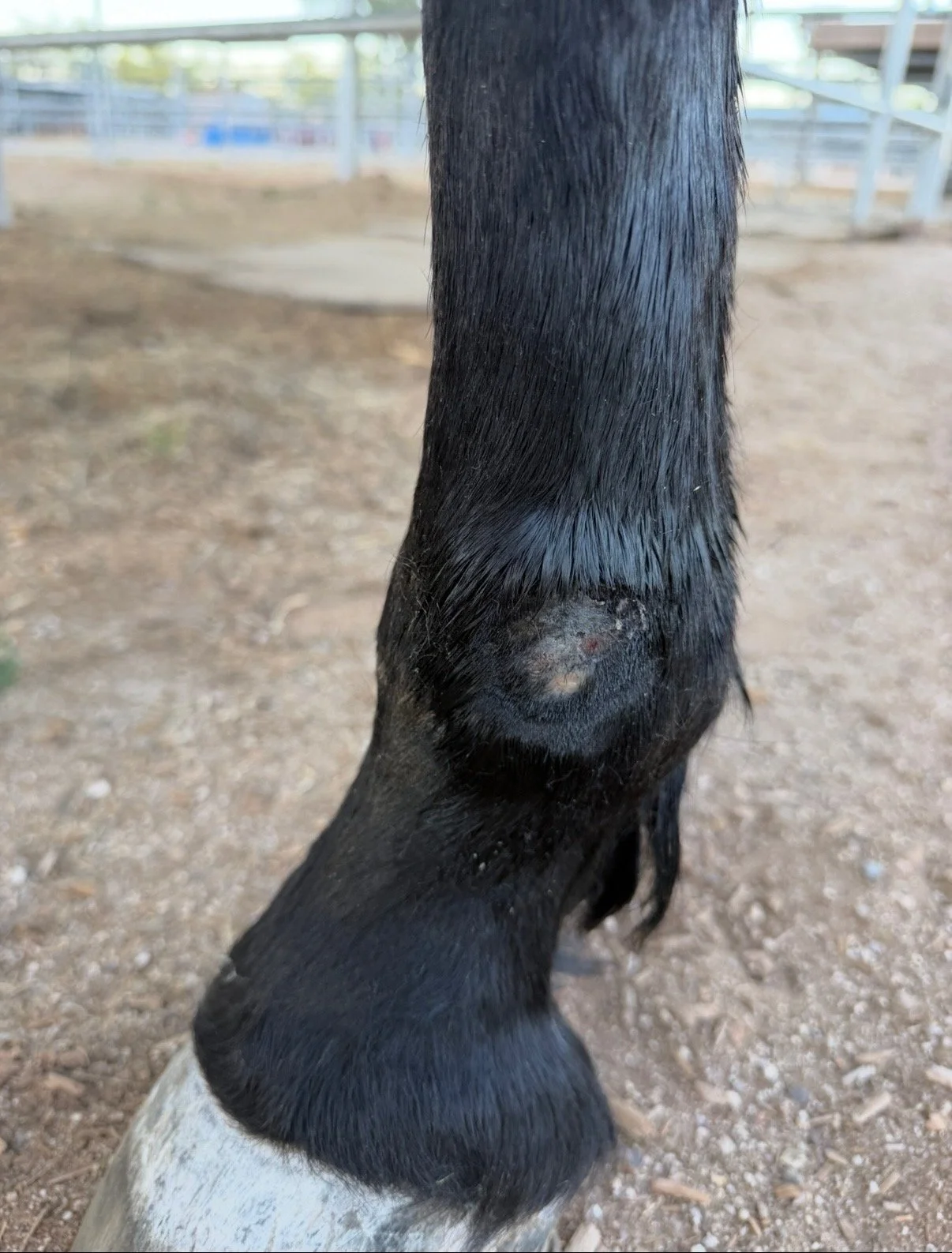
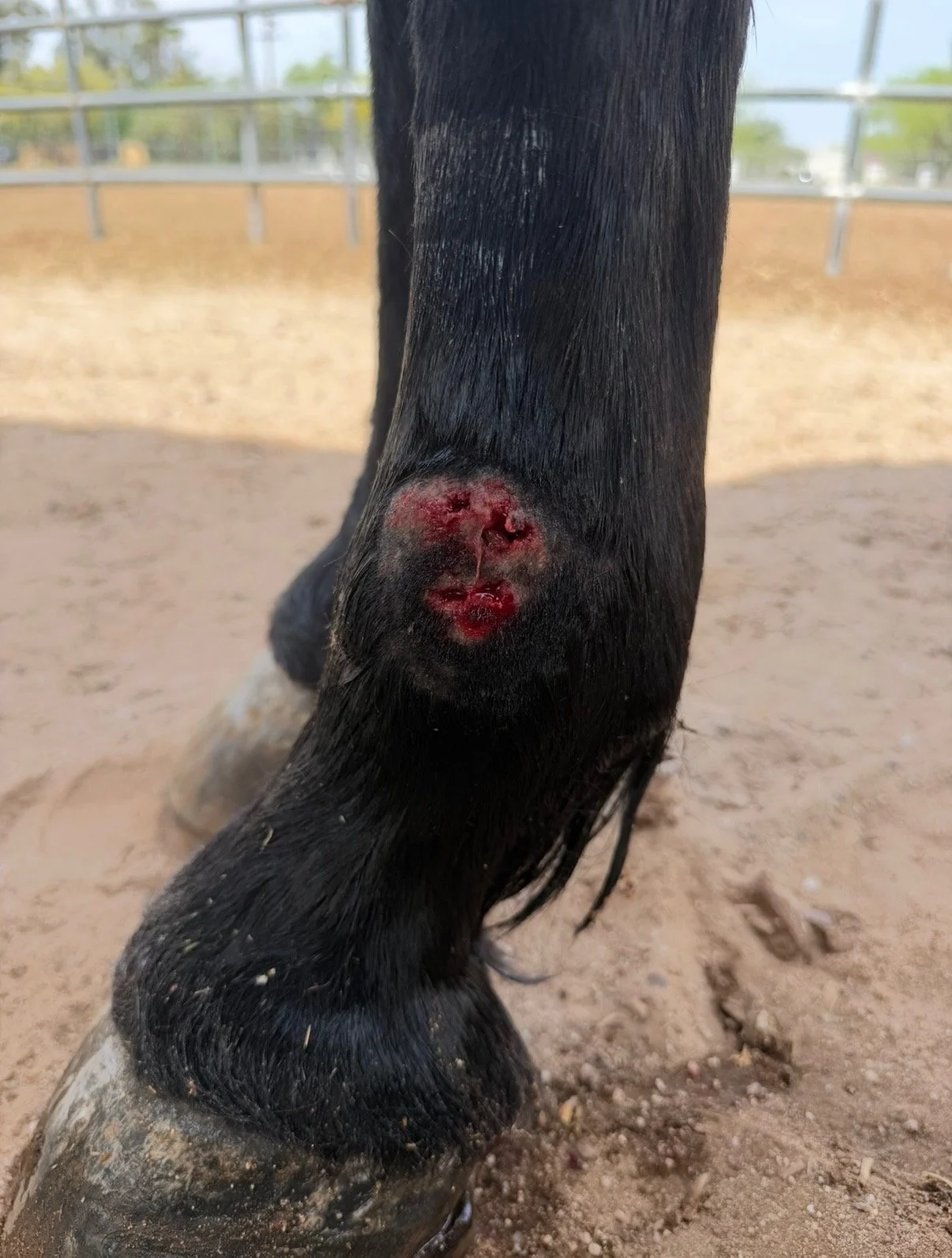
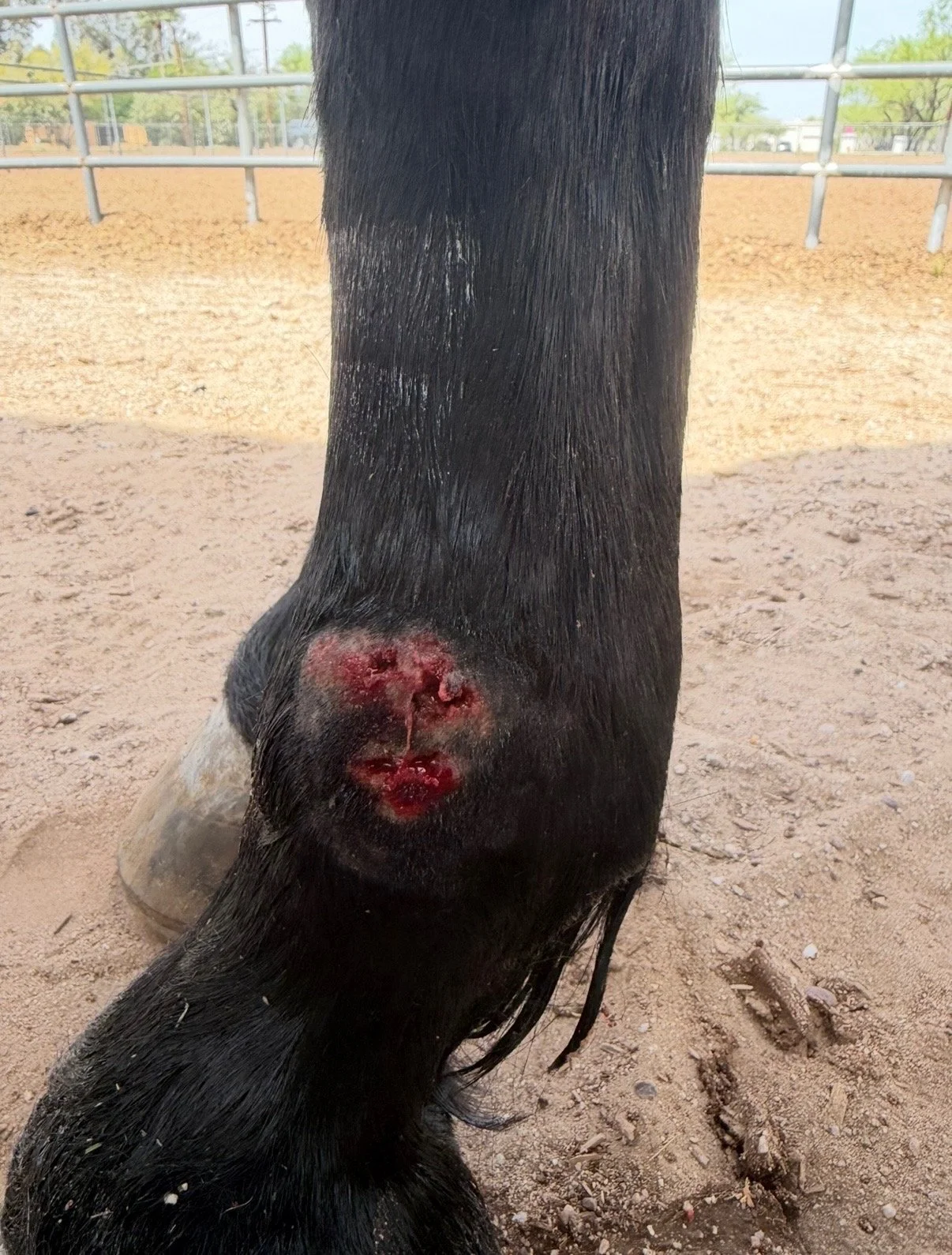
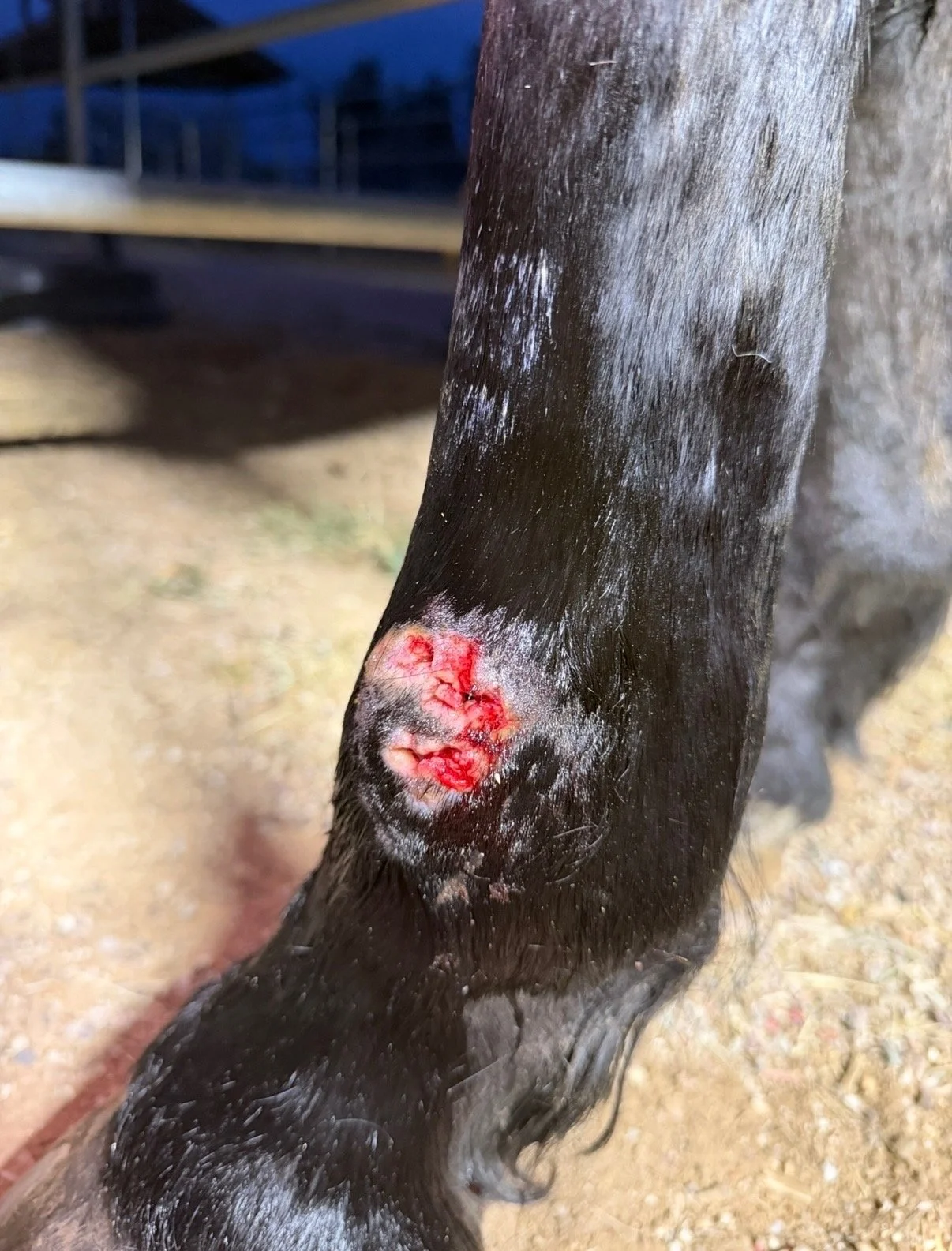
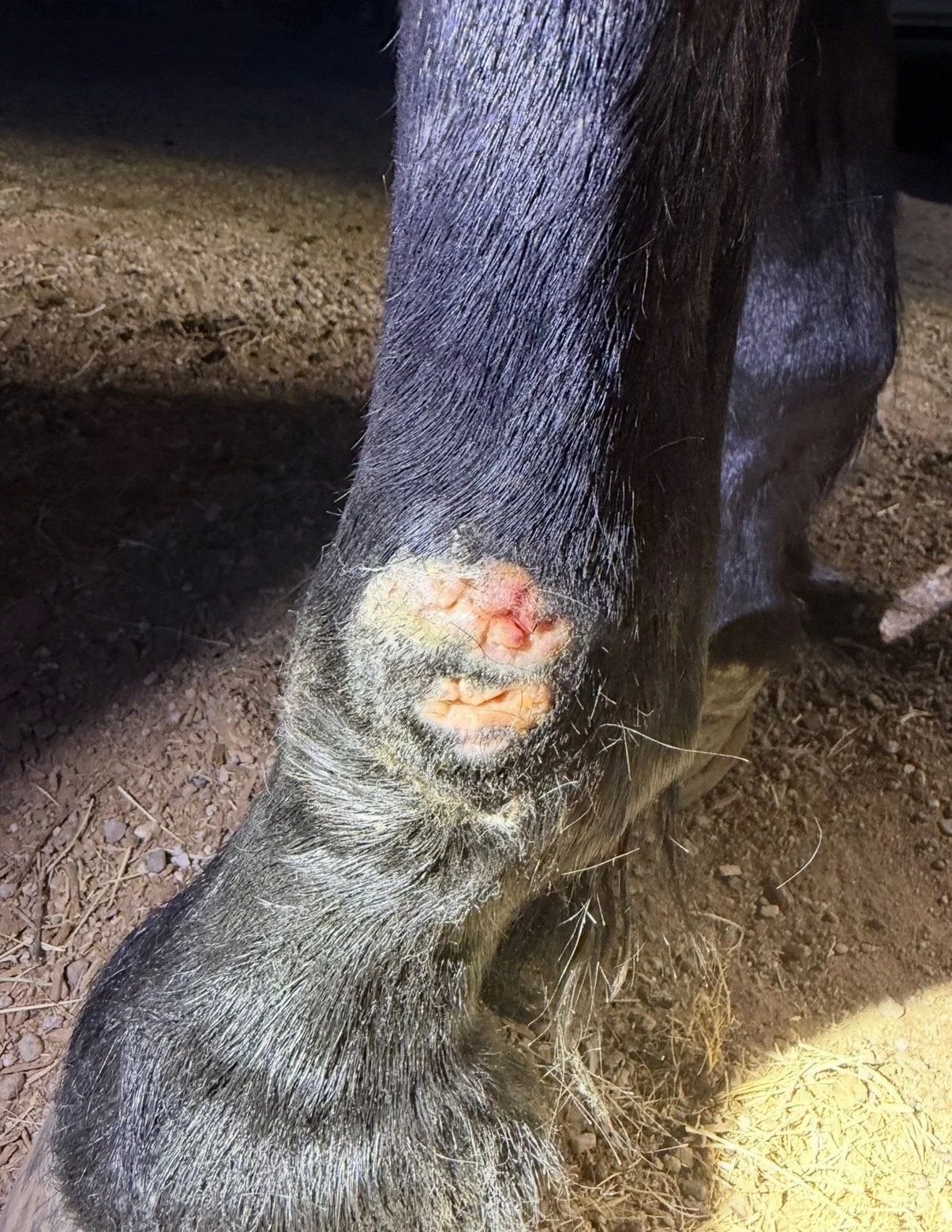
Distal limb swelling (lower legs)
Lameness associated with limb involvement
Swelling that may initially resemble cellulitis or injury
Limb swelling can sometimes delay diagnosis because it may not immediately be recognized as pigeon fever.
Why Is Pigeon Fever More Common in Tucson?
Southern Arizona provides an ideal environment for this bacteria due to:
Dry, dusty conditions
High fly populations
Soil that can harbor the organism for extended periods
Flies play a major role in spreading the bacteria between horses, especially during warmer months.
How Pigeon Fever Spreads
Through flies carrying bacteria from infected horses
Contact with contaminated soil
Entry through small wounds or skin abrasions
Because the bacteria can persist in the environment, outbreaks can recur in the same areas year after year.
Diagnosis and Treatment
If pigeon fever is suspected, your veterinarian may:
Perform a physical exam
Use ultrasound to evaluate abscesses
Recommend testing to confirm infection
Treatment May Include:
Allowing abscesses to mature and drain
Anti-inflammatory medications
Antibiotics in select cases (especially internal infections)
⚠️ Not all cases require antibiotics—improper use can sometimes prolong recovery.
When to Call Your Tucson Veterinarian
You should contact your vet if your horse shows:
Swelling in the chest or limbs
Signs of pain or lameness
Fever or reduced appetite
Early evaluation helps differentiate pigeon fever from other conditions like cellulitis or injury.
Prevention Tips for Horse Owners
While pigeon fever cannot always be prevented, you can reduce risk by:
Implementing aggressive fly control programs
Keeping horses in clean, dry environments
Promptly cleaning and treating wounds
Isolating horses with suspected abscesses
Final Thoughts
With pigeon fever cases on the rise in Tucson, awareness is key. While chest abscesses remain the most recognized sign, distal limb swelling is an important and increasingly observed symptom that horse owners should not overlook.
Because pigeon fever is a reportable disease in Arizona, confirmed cases are tracked by the state to help monitor and manage outbreaks.
If you notice any unusual swelling, early veterinary involvement can make a significant difference in your horse’s comfort and recovery.
📞 Concerned about pigeon fever? Call us at 520-999-3887 to schedule an evaluation.