


Traveling With Your Horse? Understanding Coggins Tests and Health Certificates
Planning a trip with your horse? Depending on where you’re headed, you may need a Coggins test, a health certificate, or both. Learn the difference, when each is required, and how Jackpot Veterinary Center can help get your horse ready to travel.
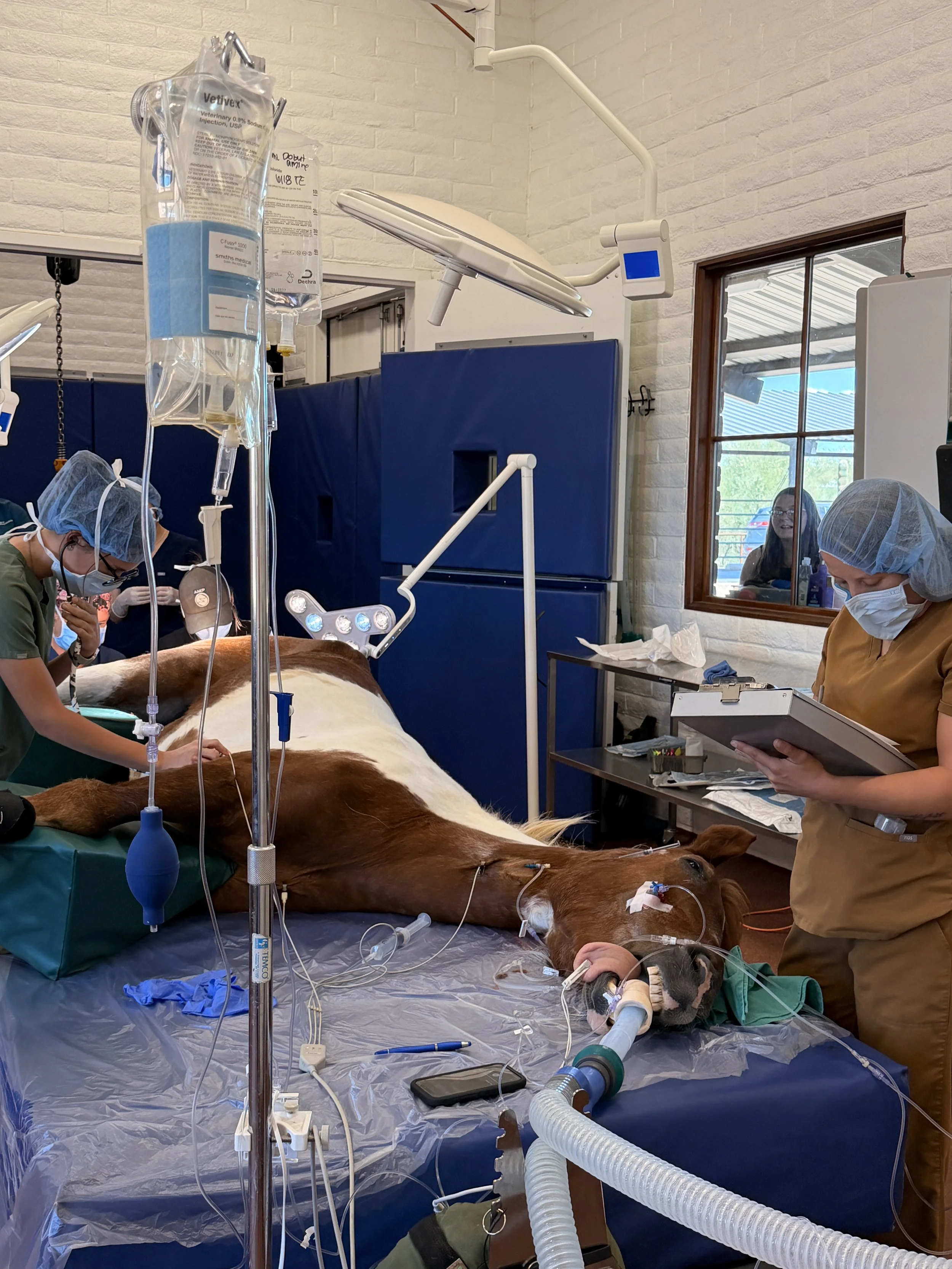
Preparing Your Horse for Surgery: What Horse Owners Should Know
Your horse is scheduled for surgery. Now what? Learn what to expect before arrival, why fasting and tetanus protection matter, and how to start preparing for your horse’s recovery at home.
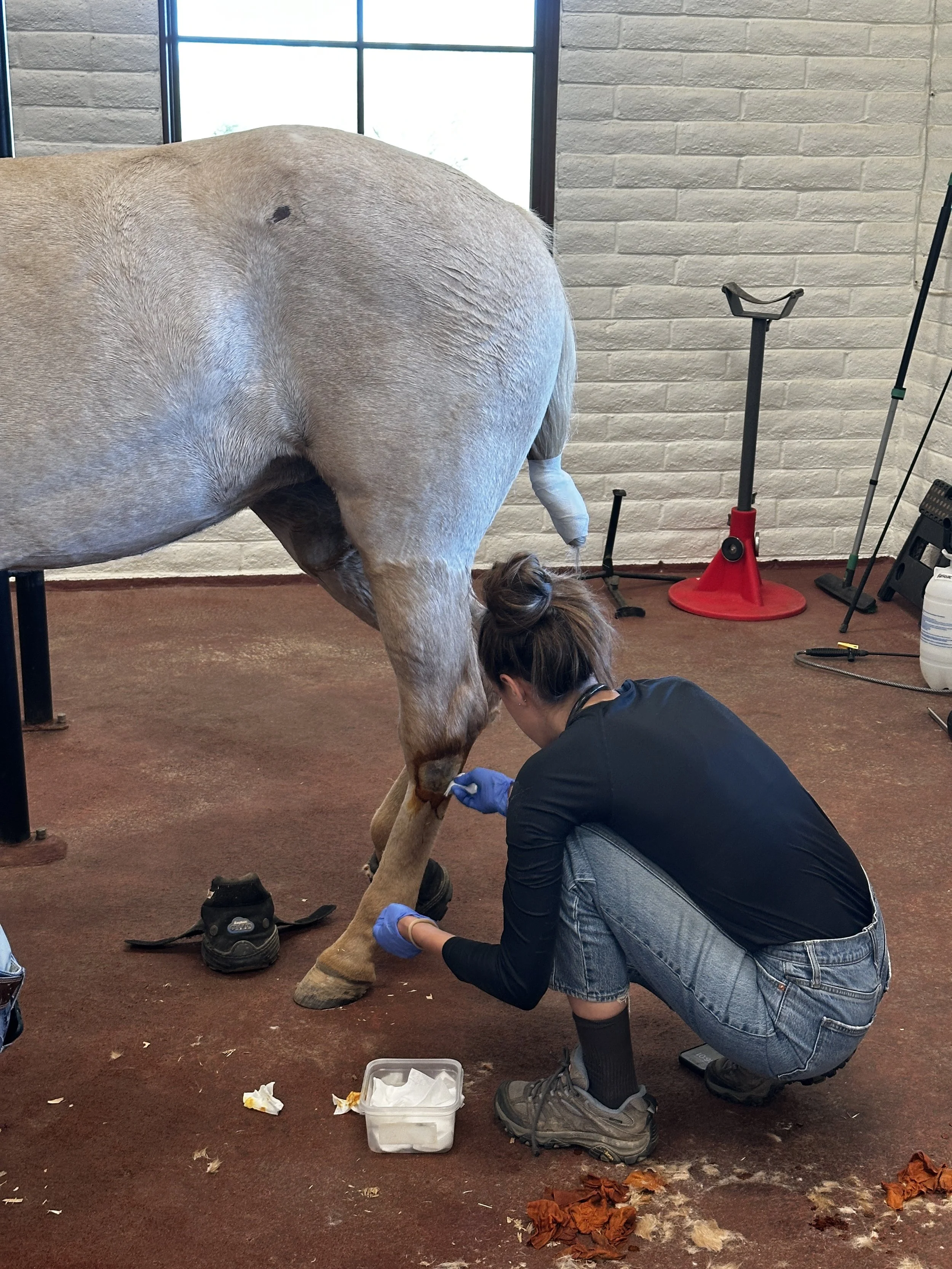
Equine Sports Medicine & Regenerative Medicine
Go behind the scenes with our Jackpot Veterinary Center veterinarians as they demonstrate the Alpha2EQ process. Learn how this innovative treatment uses a horse’s own blood to create a concentrated orthobiologic option designed to help manage inflammation and support musculoskeletal health.
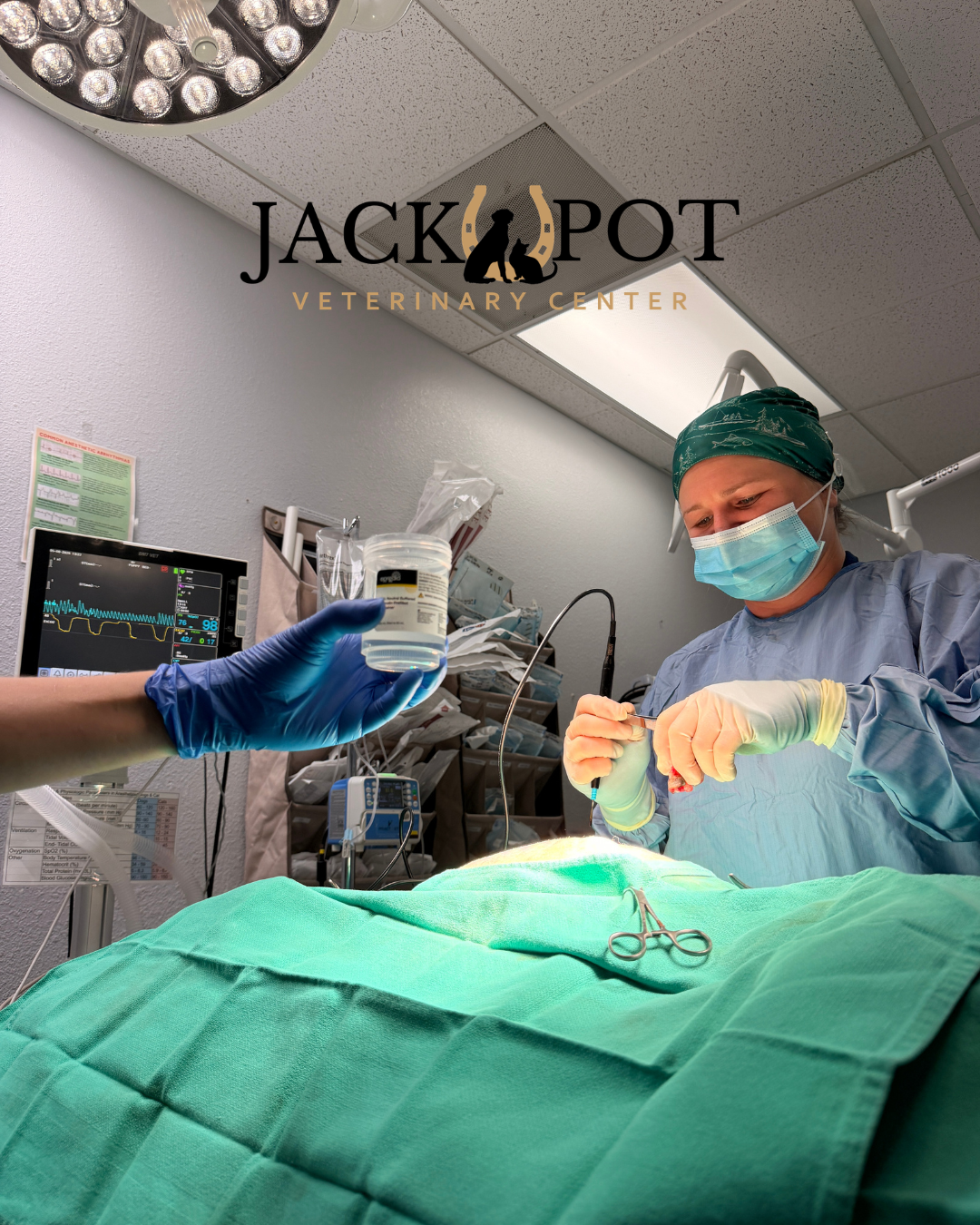
Preparing for Your Pet’s Surgery: What to Expect
Your veterinarian says your pet needs surgery—what happens next? Learn what to expect at Jackpot Veterinary Center, from pre-operative bloodwork and surgery-day preparation to anesthesia monitoring, recovery, discharge, and follow-up care. We’ll also explore how advanced imaging through RadVet Imaging will help support surgical planning for Tucson pets in the future.
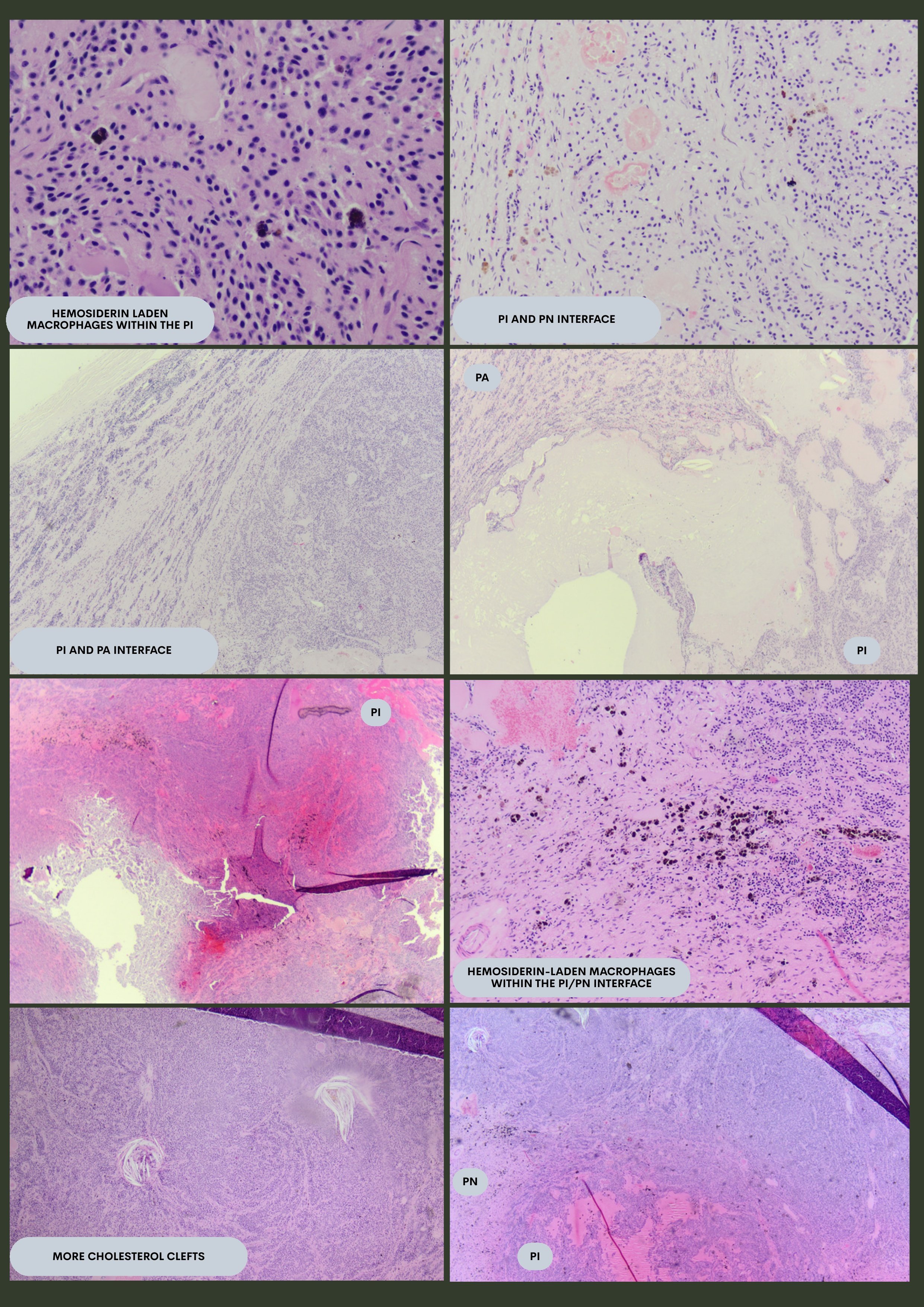
Pituitary Pars Intermedia Dysfunction
Explore the gross and histopathologic features of Equine Pituitary Pars Intermedia Dysfunction (PPID), including melanotroph hyperplasia, cystic degeneration, cholesterol clefts, hemorrhage, and pituitary enlargement. This illustrated case reviews disease pathophysiology, histologic grading, and key diagnostic lesions in older horses.
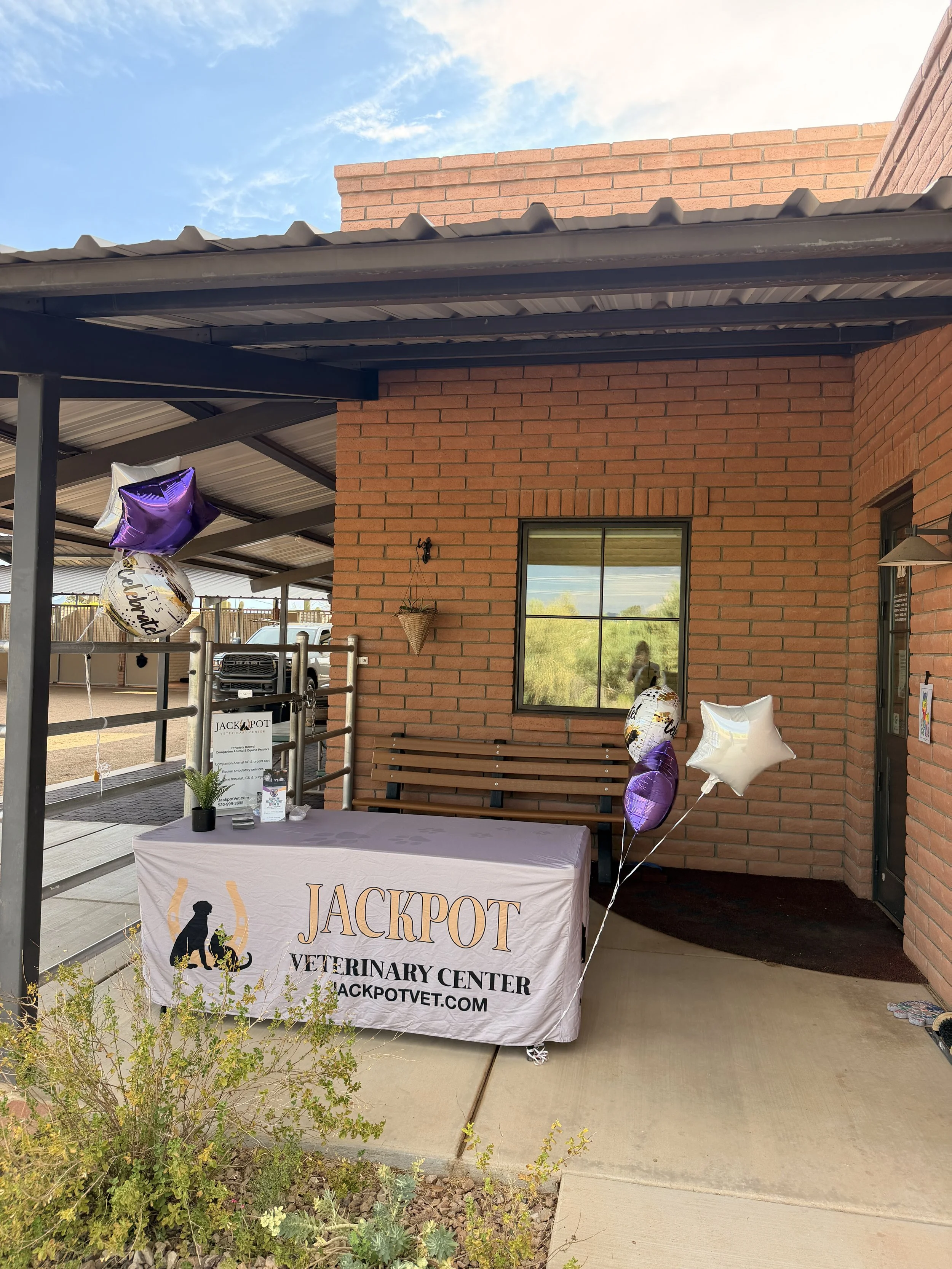
Jackpot Veterinary Center Celebrates 12 Years of Caring for Southern Arizona
Take a look back at Jackpot Veterinary Center's 12 Year Anniversary Open House in Tucson. Explore event highlights, photos, clinic tours, and a first look at the future RadVet Imaging Center.
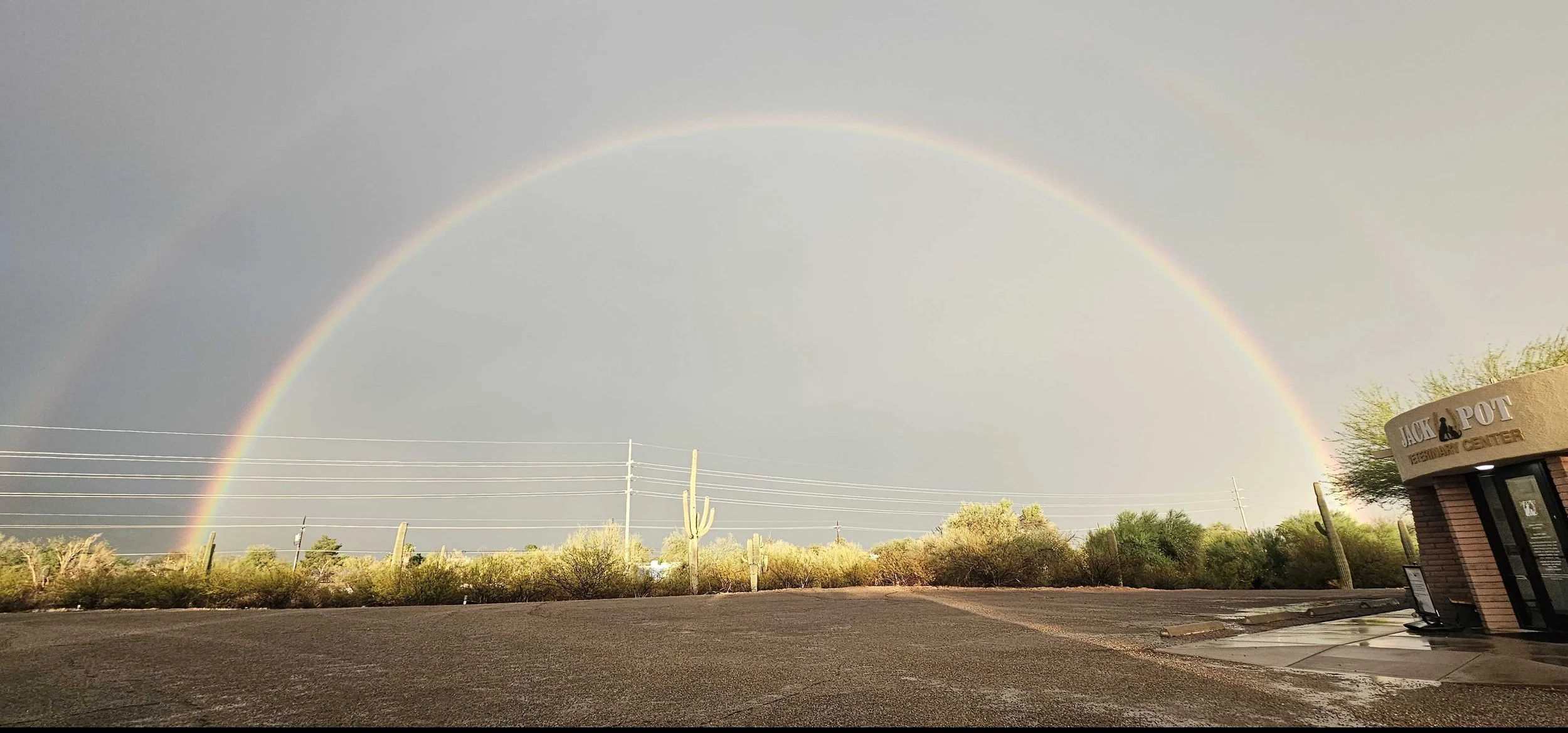
Monsoon Season in Tucson: Is Your Pet Ready for an Emergency?
Monsoon season can bring unexpected emergencies to Southern Arizona. Learn how to create a disaster plan for your pets, what to include in an emergency kit, and why every home should have a pet alert sticker.
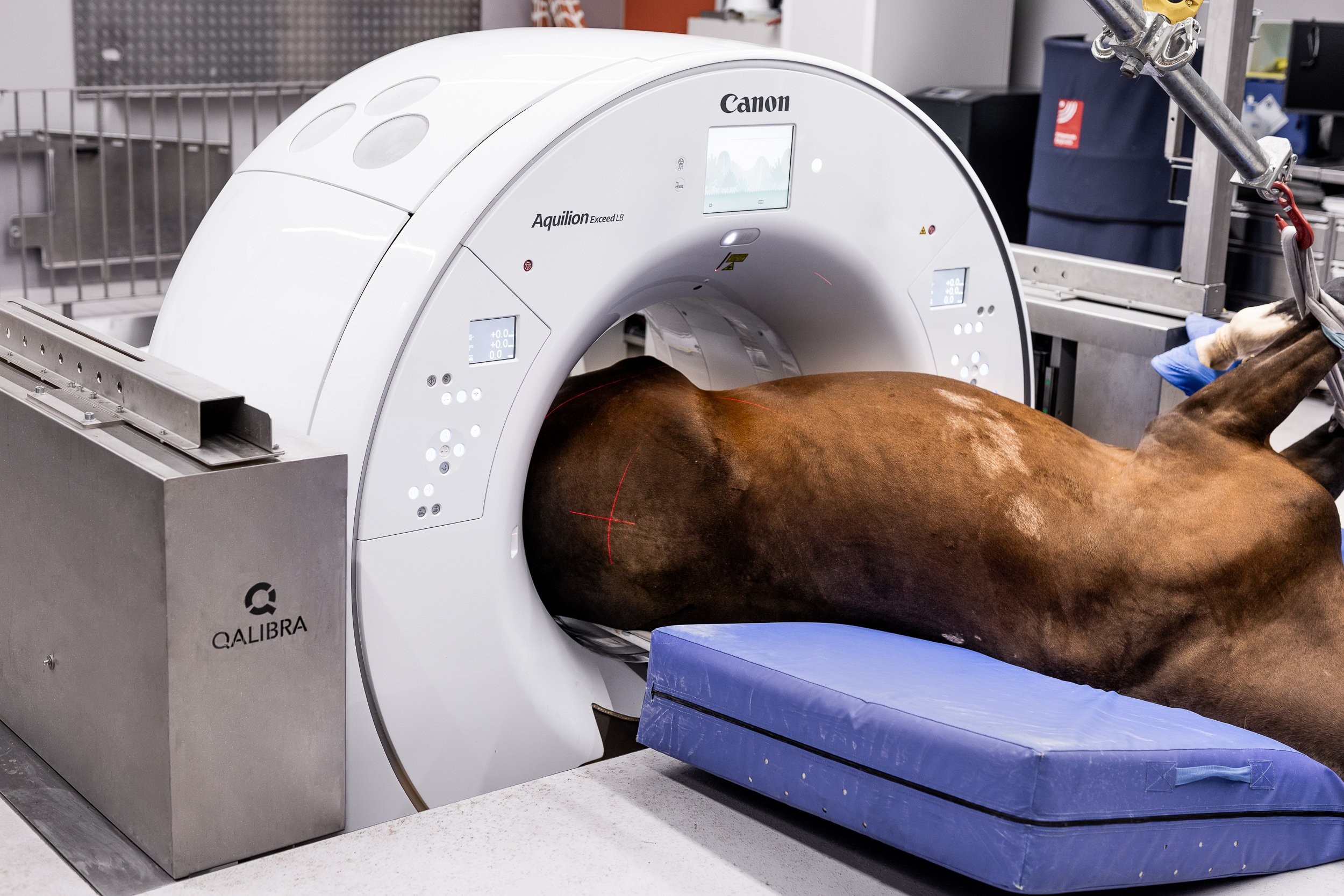
Diagnostic Imaging
When a physical exam isn't enough, diagnostic imaging helps veterinarians see what's happening beneath the surface. From digital X-rays to ultrasound, these advanced tools provide valuable insights that lead to faster diagnoses and more effective treatment plans for pets, horses, and livestock. Learn how Jackpot Veterinary Center uses diagnostic imaging to support animal health and what's coming soon with the opening of RadVet Imaging.
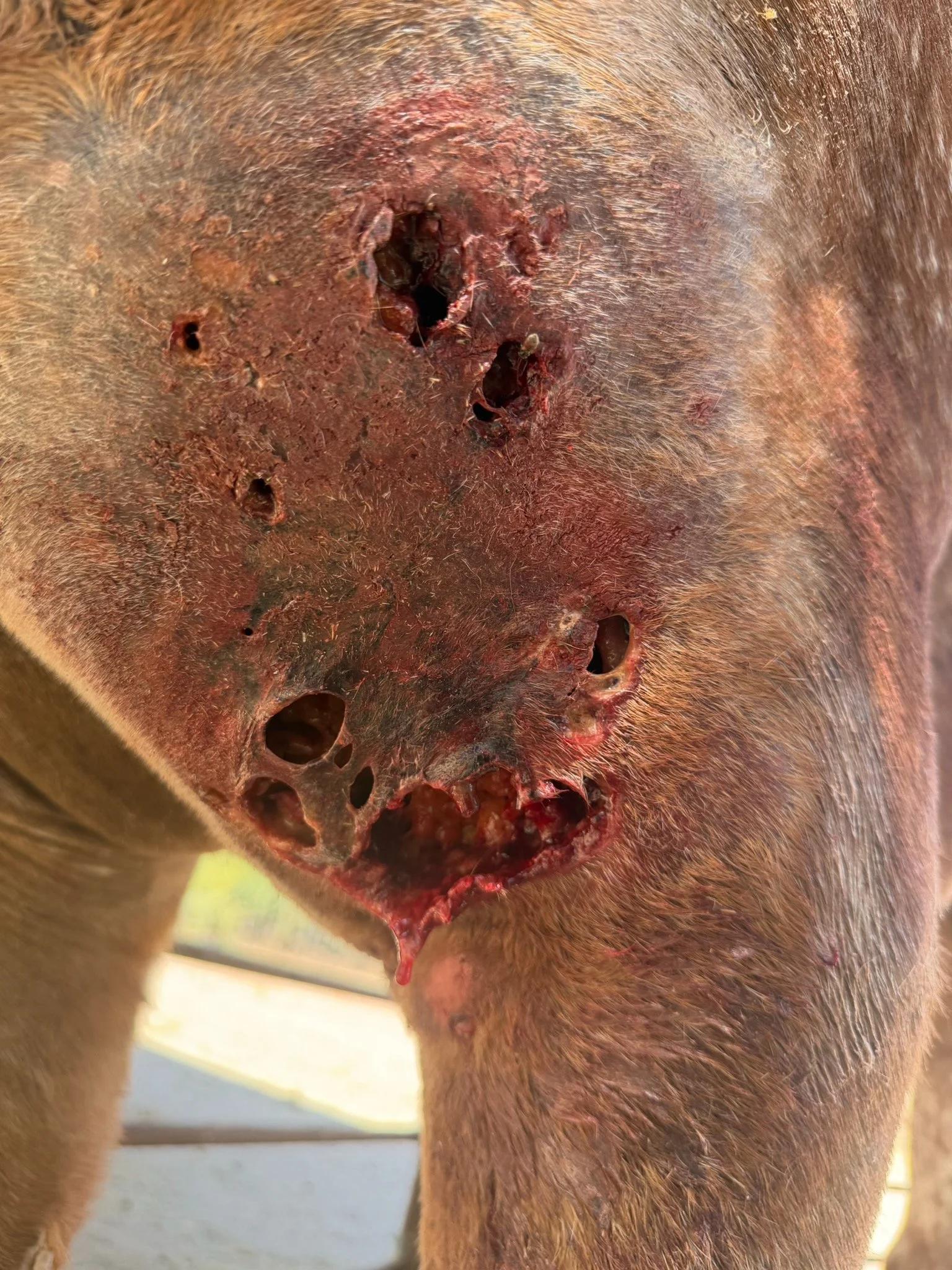
Pigeon Fever Cases Continue Across Tucson: What Horse Owners Need to Know
Pigeon Fever continues to affect horses throughout Tucson and Southern Arizona. Jackpot Veterinary Center is still diagnosing cases and educating horse owners on what to watch for, including the characteristic chest abscesses that give the disease its name. Learn how to recognize the signs, when to call your veterinarian, and what steps you can take to help protect your horse.
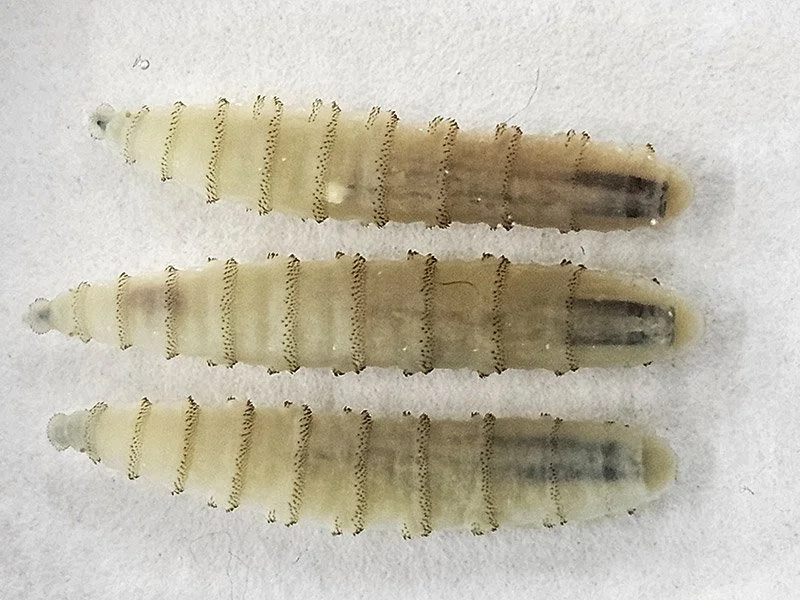
New World Screwworm Update for Arizona Horse and Livestock Owners
The recent detection of New World Screwworm in the United States has raised concerns for horse owners, ranchers, and livestock producers across the Southwest. While no cases have been reported in Arizona, understanding the risks, recognizing early signs of infestation, and practicing proper wound management are critical steps in protecting your animals. Learn what New World Screwworm is, how it spreads, and what Arizona horse and livestock owners can do to stay prepared.
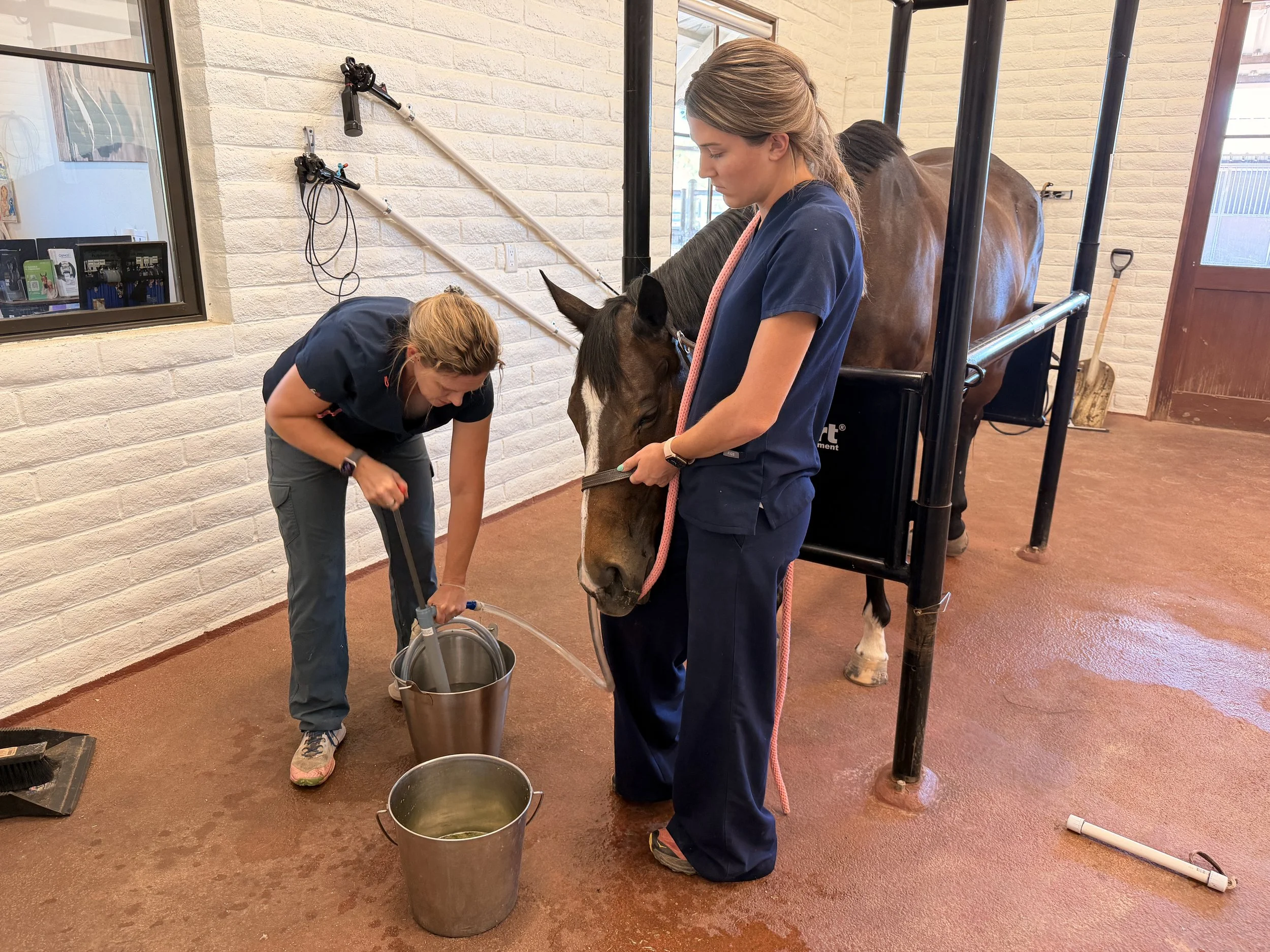
Horse Colic: What Every Horse Owner Needs to Know
Horse colic is one of the most common equine emergencies and can range from mild digestive discomfort to a life-threatening condition requiring immediate veterinary care. Knowing the signs of colic, understanding what causes it, and recognizing when to call a veterinarian can make all the difference in your horse's outcome. Learn the warning signs every horse owner should know and what steps to take if your horse starts showing symptoms of colic. If you suspect colic, contact Jackpot Veterinary at 520-999-3888 for prompt equine care in Southern Arizona.
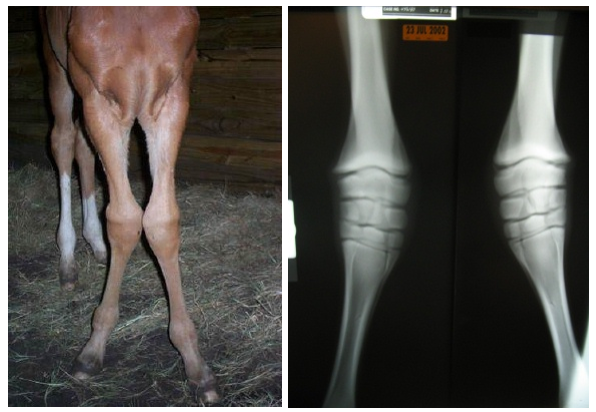
Angular Limb Deformities in Foals: Early Signs, Causes & Treatment Options
Angular limb deformities (ALDs) are developmental conditions that cause a foal’s legs to angle inward or outward as they grow. While some mild changes may improve naturally with age, others require early veterinary evaluation and treatment to prevent long-term problems. From conservative management to surgical correction, understanding the causes and treatment options for ALDs can help support a foal’s healthy growth and athletic future.

How to Recognize Anxiety in Dogs & Help Them Feel Safe
If your dog seems nervous, restless, or overwhelmed, they may be dealing with anxiety—and they’re not alone. During Dog Anxiety Awareness Week, we’re sharing how to spot the signs and simple ways you can help your dog feel safe, supported, and at ease.
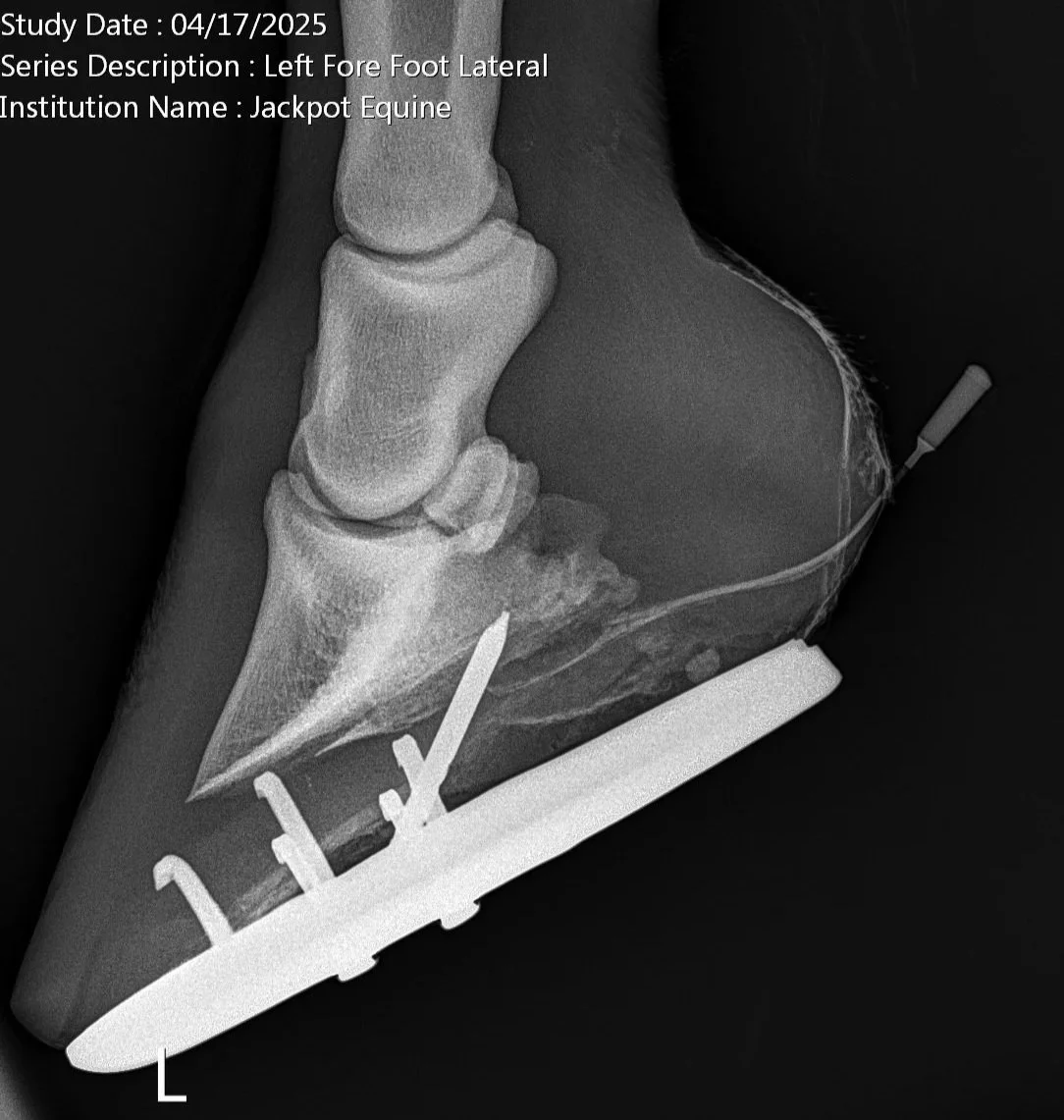
What To Do If Your Horse Steps on a Nail (Street Nail Emergency Guide)
A nail in your horse’s hoof—often called a “street nail”—is a true emergency. Learn exactly what to do, why you should never remove the nail, and how fast veterinary care can protect your horse from serious complications.
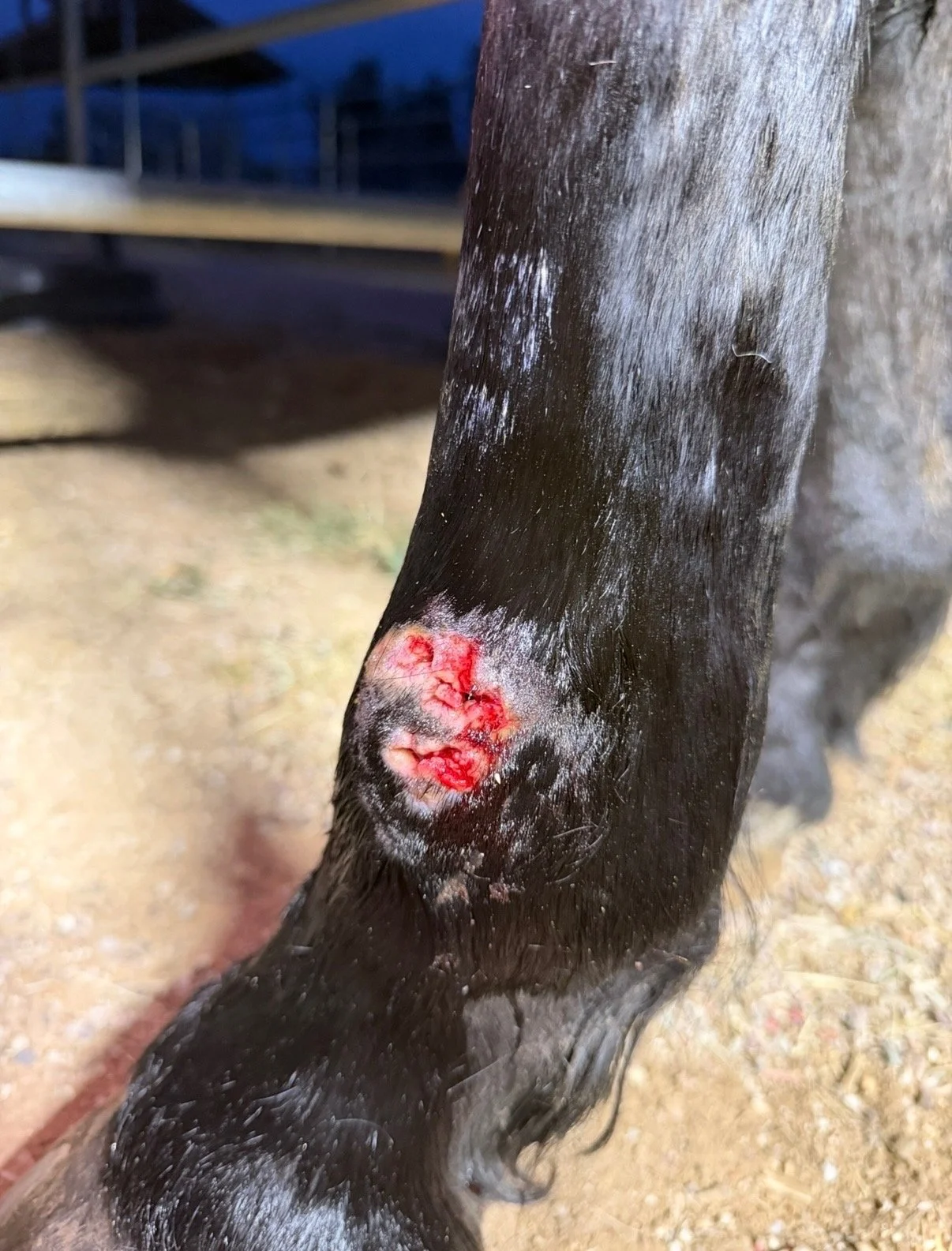
Pigeon Fever in Tucson Horses: Signs, Limb Swelling, Treatment & Prevention
Pigeon fever cases are increasing in Tucson horses, and while chest swelling remains the classic sign, we are also seeing distal limb swelling in affected patients. Learn what to watch for, how pigeon fever spreads, and when to call your veterinarian for evaluation.
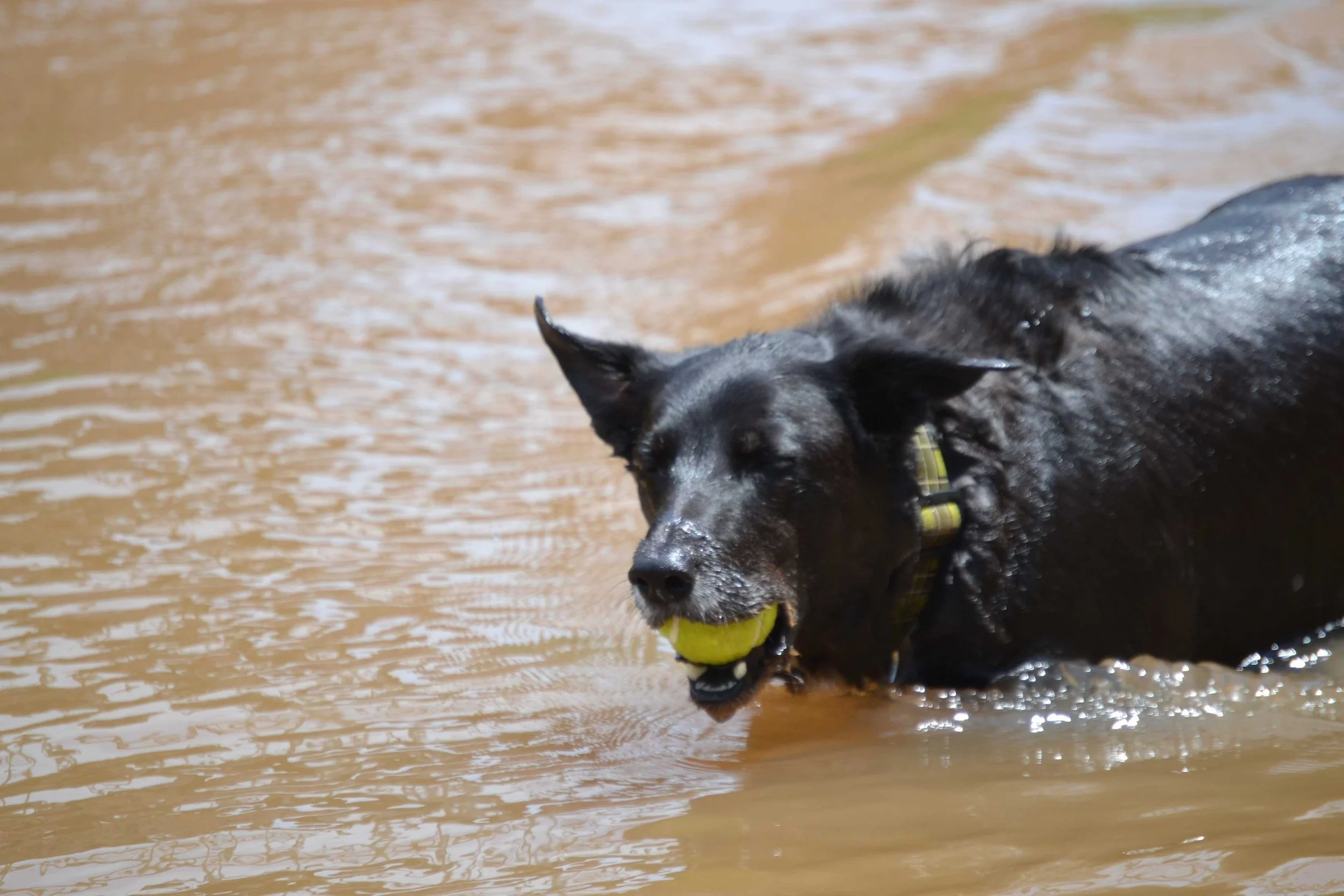
Leptospirosis in Dogs in Tucson, AZ: How to Keep your Dog Protected
At Jackpot Veterinary Center, we’ve noticed a rise in leptospirosis cases in Tucson dogs. Here’s what local pet owners need to know to keep their dogs safe and healthy.
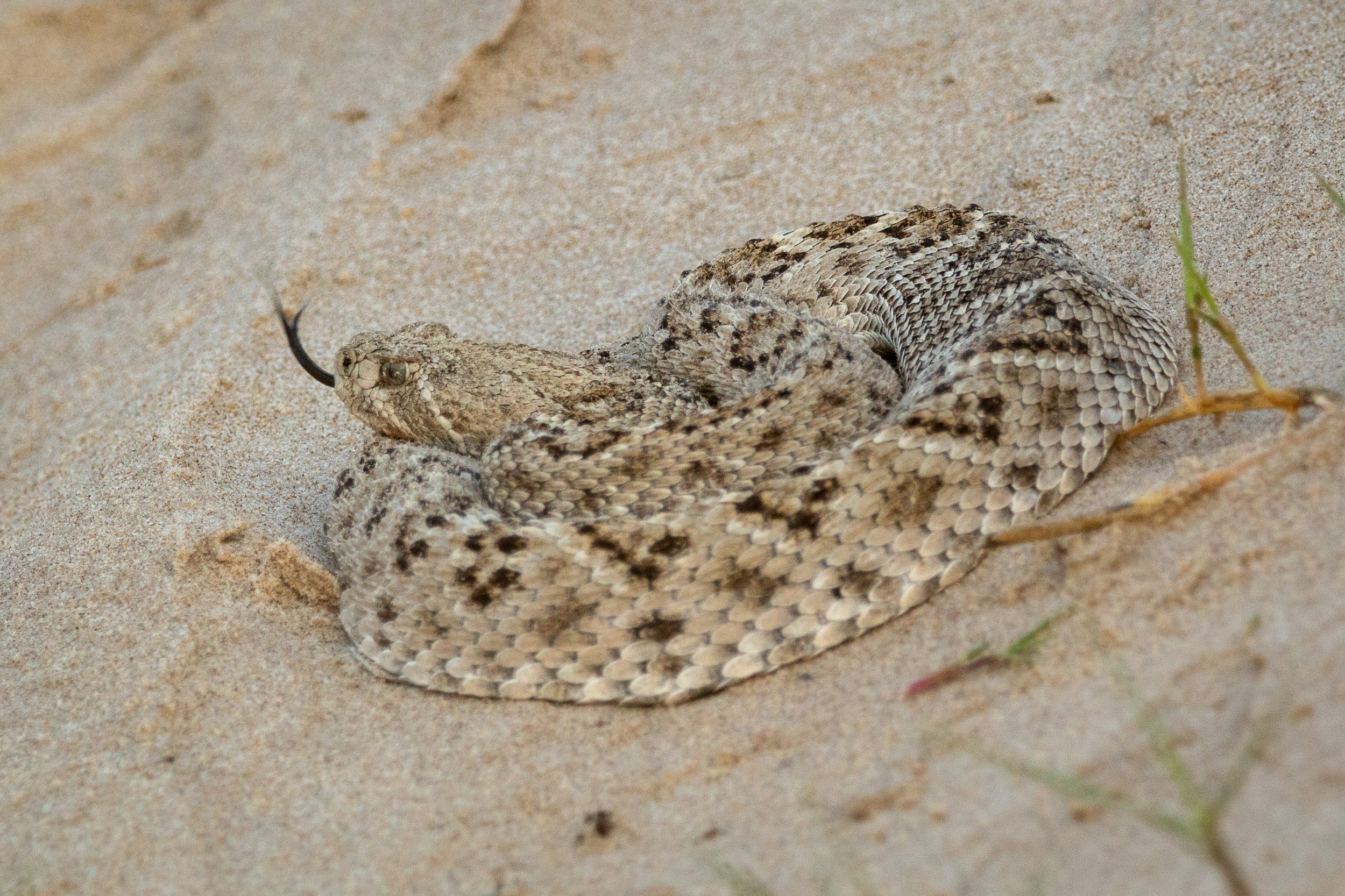
🐍 Snake Bites in Dogs in Tucson: What Every Pet Owner Needs to Know
Snake bites in dogs are a serious risk in Tucson, especially as temperatures rise and desert wildlife becomes more active. Learn how to recognize the signs, what to do in an emergency, and how to protect your pet during snake season.
Pet Vaccinations: Why Staying Up to Date Matters for Dogs, Cats, and Horses
Pet vaccinations help protect dogs, cats, and horses from serious and potentially life-threatening diseases such as parvovirus, distemper, rabies, tetanus, and West Nile virus. Keeping animals up to date on recommended vaccines strengthens their immune protection and helps prevent the spread of contagious illnesses within the community. Regular vaccination, along with routine veterinary care, is one of the most effective ways to safeguard your pet’s long-term health.
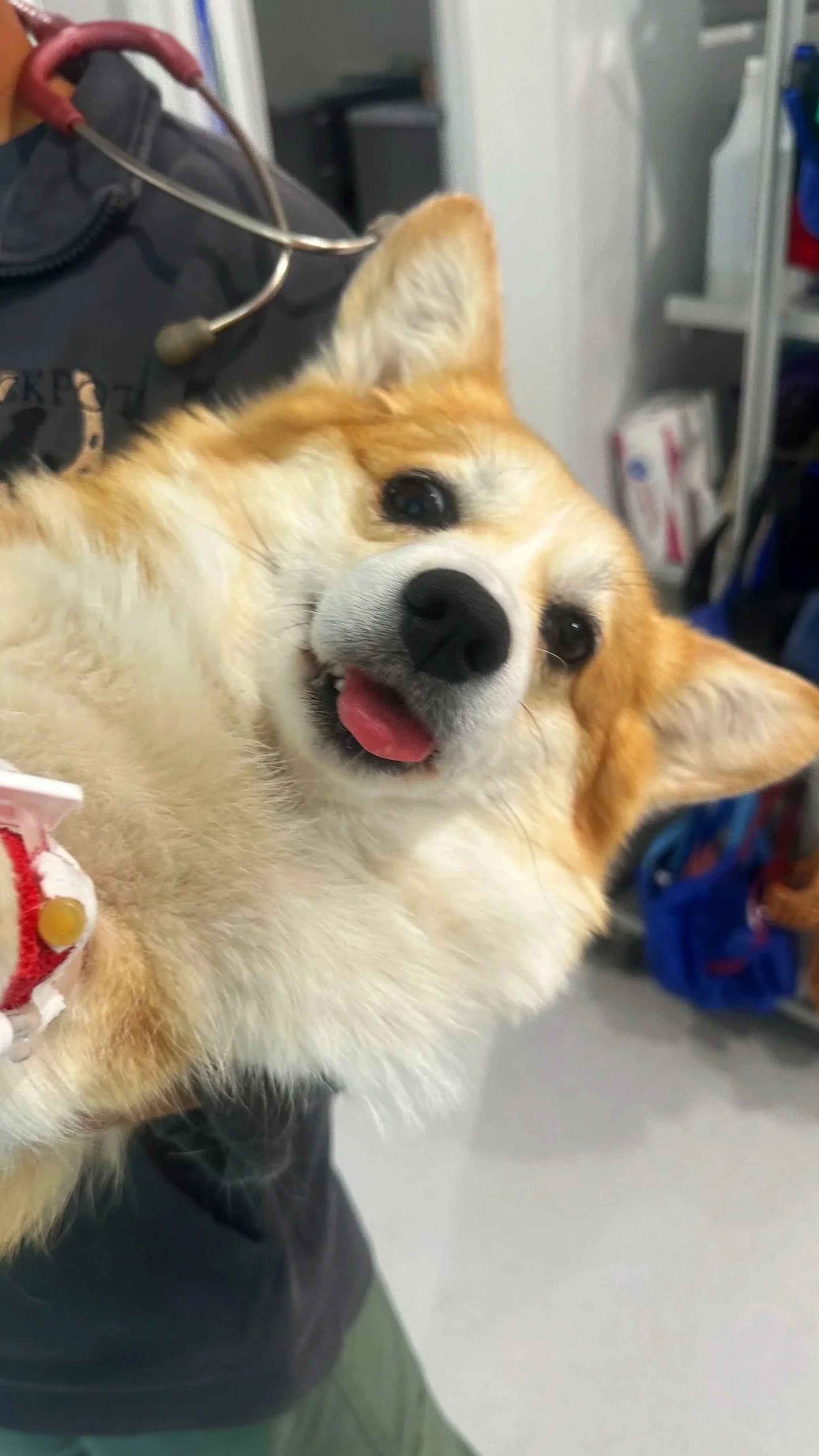
Healthy Mouth, Healthy Pet
If you’re a pet owner in Tucson, keeping your dog or cat healthy goes beyond regular vaccinations and wellness exams. Dental health is one of the most important — and most commonly overlooked — aspects of pet care.
In fact, periodontal disease is the most common health condition affecting dogs and cats, and many pets show early signs of dental disease by the time they are just three years old. Because animals rarely show obvious signs of dental pain, problems can progress silently until they become severe. Small Animal Dentistry Article …
At Jackpot Veterinary Center in Tucson, we help pet owners protect their pets’ health with preventive dental care, professional cleanings, and early detection of dental disease.
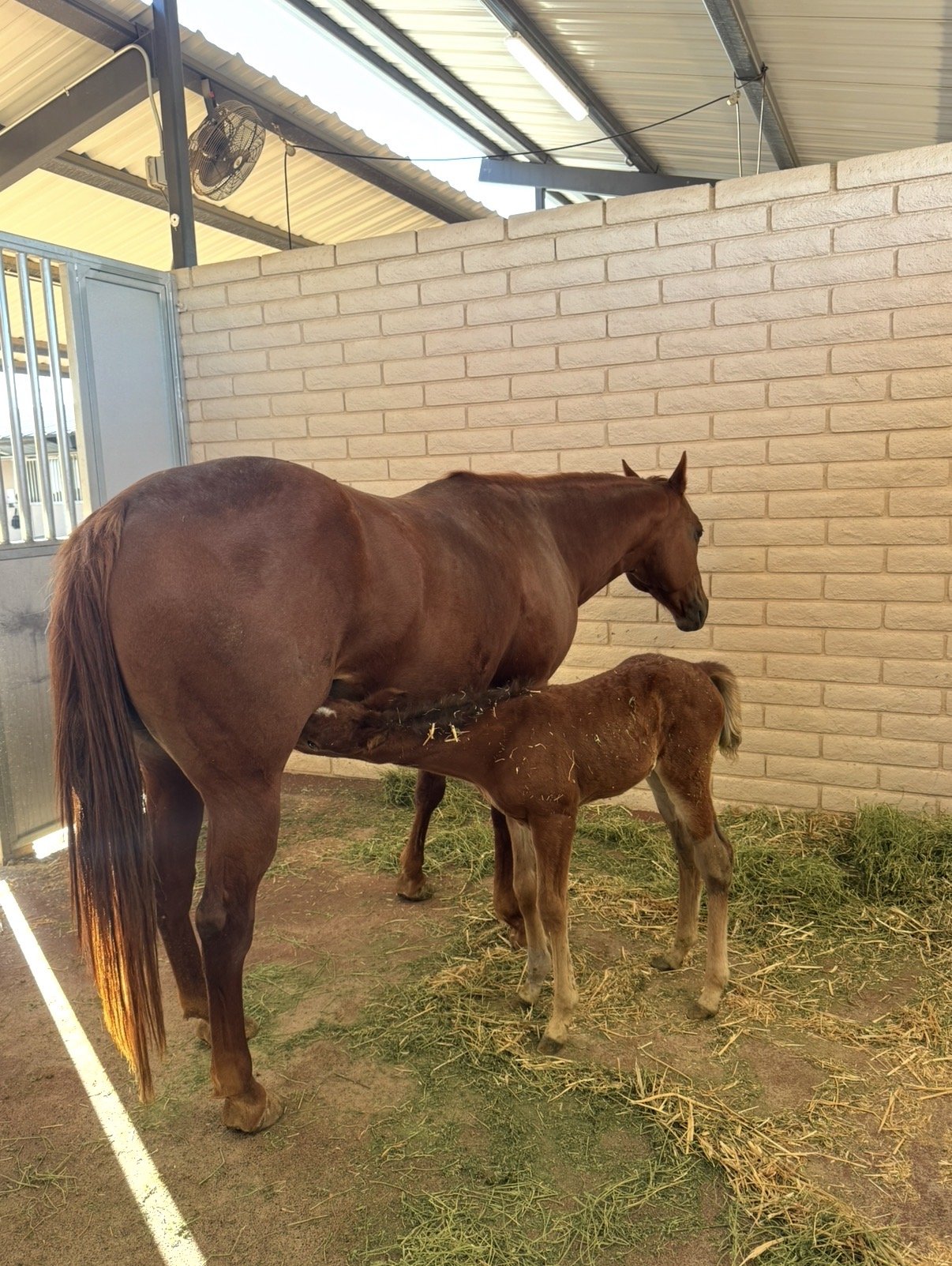
Equine ICU in Tucson
Jackpot Veterinary Center’s dedicated Equine ICU in Tucson is designed for advanced critical care and strict biosecurity. With medical-grade stall surfaces, isolated drainage, and rigorous sanitation protocols, our facility ensures the highest level of safety and treatment for horses facing serious or contagious illness.