
Pet Vaccinations: Why Staying Up to Date Matters for Dogs, Cats, and Horses
Vaccinations are one of the most important parts of preventive veterinary care. Keeping animals current on recommended vaccines helps protect them from serious infectious diseases and helps prevent outbreaks within the animal community. At Jackpot Veterinary Center, we encourage pet owners to review their animals’ vaccination schedules regularly and schedule appointments before vaccines become overdue.
Whether you own a horse, dog, or cat, staying on track with vaccinations is a simple step that can make a major difference in your animal’s long-term health.
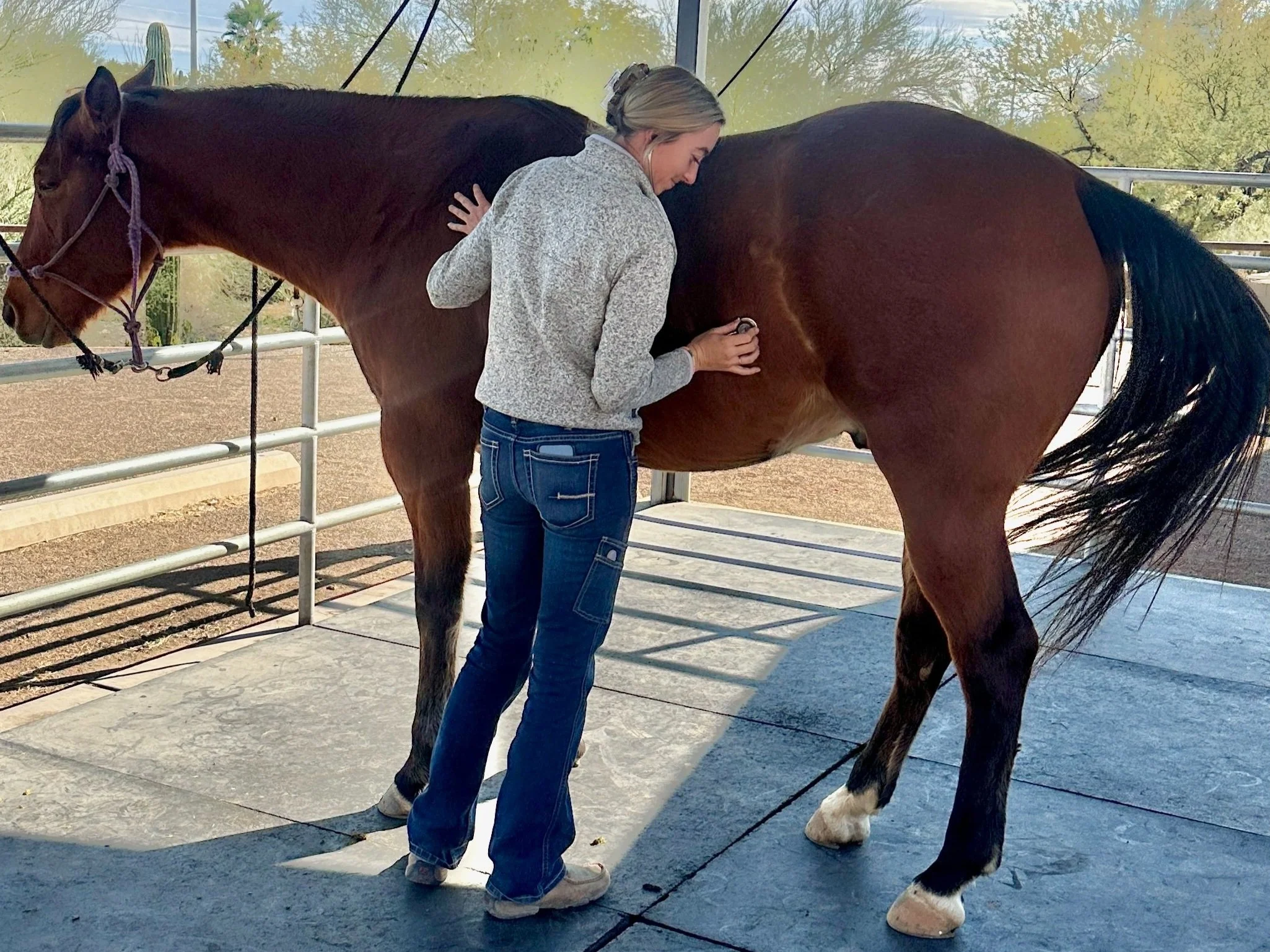
Equine Vaccinations: Protecting Horses from Serious Diseases
Routine vaccination is an important part of responsible horse care. Several diseases that affect horses—such as tetanus, West Nile virus, rabies, and Eastern and Western Equine Encephalomyelitis (EEE/WEE) —can cause severe illness and are often fatal. Because these diseases are commonly present in the environment, veterinarians recommend core vaccines for most horses.
Many of these diseases are transmitted by insects or are present in soil, meaning horses can be exposed even if they rarely travel. As mosquito activity increases in warmer months, the risk of diseases like West Nile virus and equine encephalitis also rises.
Scheduling vaccinations before the peak season for insects and travel helps ensure your horse is protected when exposure risks increase. Horses that travel, compete, or interact with other horses may also benefit from additional risk-based vaccines recommended by your veterinarian.
Keeping your horse’s vaccines current protects not only your horse but also the larger equine community.
Reach out to our Large Animal team to schedule your horse’s vaccines. We are available for equine field and haul-in appointments.
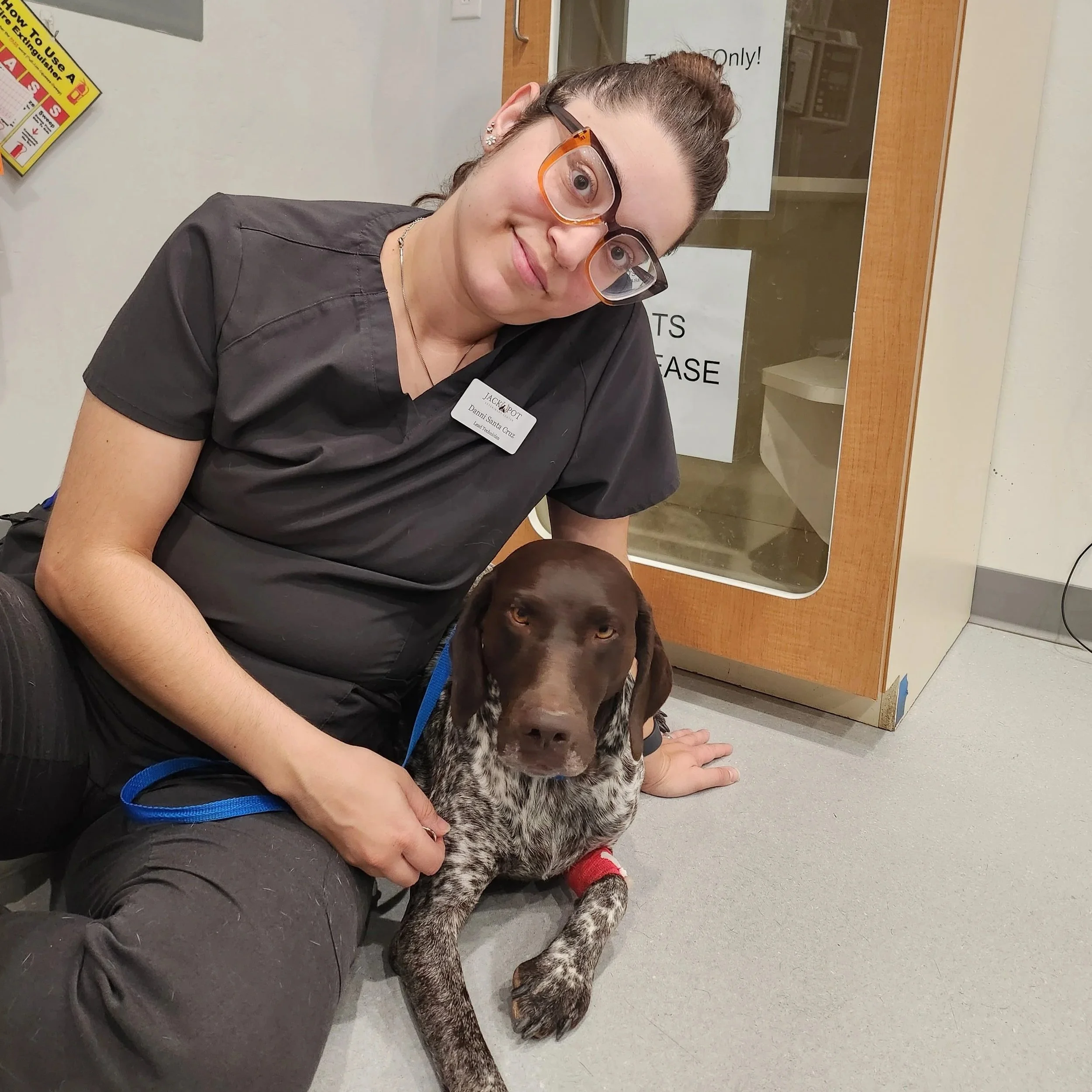
Dog and Cat Vaccinations: Preventing Highly Contagious Diseases
Preventive care is just as important for dogs and cats. Vaccines help protect pets from contagious and potentially life-threatening diseases such as parvovirus, distemper, and rabies.
Recently, our team at Jackpot Veterinary Center has treated a few cases of parvovirus in dogs. Parvo is an extremely contagious virus that attacks the digestive and immune systems, often causing severe vomiting, diarrhea, dehydration, and life-threatening illness—especially in puppies.
While our clinic follows strict biosecurity protocols to protect patients, vaccination remains the most effective way to prevent infection. Dogs that stay on schedule with their vaccines have a significantly lower risk of contracting parvovirus and other contagious diseases.
For cats, vaccines help prevent illnesses such as feline panleukopenia (FPV), feline herpesvirus (FHV-1), and rabies, which can spread quickly between animals.
Reach out to our team to schedule your pet’s appointment. 520-999-3880
When Should Pets Receive Vaccines?
Vaccination schedules vary depending on a pet’s age, lifestyle, travel, and risk factors. Puppies, kittens, and foals often receive a series of vaccines early in life, followed by booster vaccines throughout adulthood.
Regular wellness visits allow your veterinarian to review your pet’s vaccination status and recommend the most appropriate schedule based on their individual needs.
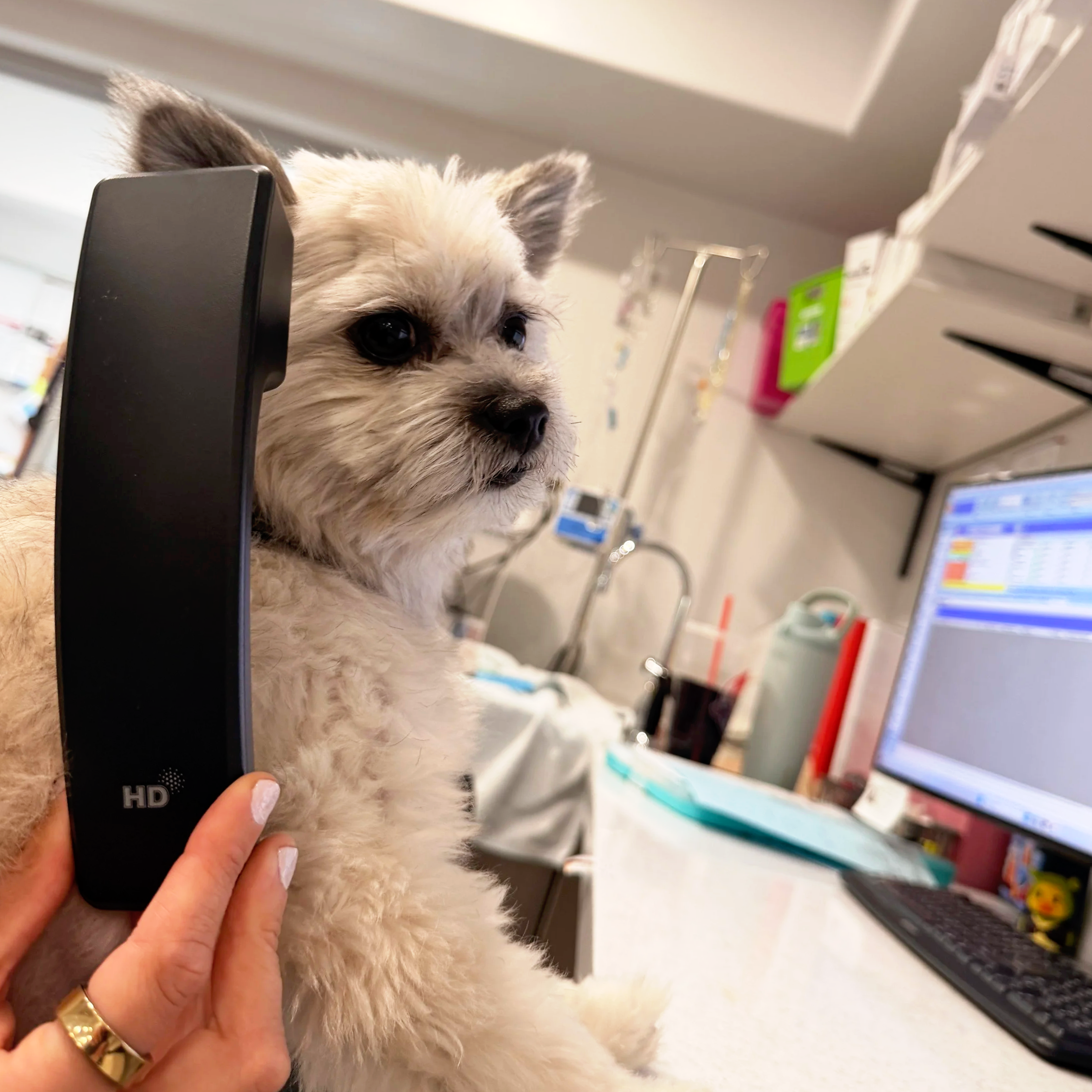
Don’t Wait to Schedule!
Staying on schedule with vaccinations is one of the easiest ways to support your pet’s long-term health. If your horse, dog, or cat is due for vaccines—or will be soon—now is a great time to make an appointment.
The team at Jackpot Veterinary Center is here to help keep your animals healthy, protected, and ready for the seasons ahead.
📞 Contact Jackpot Veterinary Center to schedule your pet’s vaccination visit.
Frequently Asked Questions About Pet Vaccinations
Why are vaccinations important for pets?
Vaccinations help protect pets from serious and potentially life-threatening diseases. By stimulating the immune system, vaccines prepare your pet’s body to fight infections like parvovirus, distemper, rabies, and other contagious illnesses. Staying current on vaccines is one of the most effective ways to keep pets healthy and prevent disease from spreading among animals.
How often do pets need vaccines?
Vaccination schedules vary depending on a pet’s age, lifestyle, and health history. Puppies and kittens typically receive a series of vaccines early in life, followed by booster vaccines as adults. Horses, dogs, and cats may require annual or periodic boosters to maintain protection. Your veterinarian can recommend the best vaccination schedule for your animal.
What vaccines do dogs need?
Core vaccines for dogs generally include protection against parvovirus, distemper, adenovirus, and rabies. Some dogs may also benefit from non-core vaccines such as bordetella, leptospirosis, or canine influenza, depending on their lifestyle and exposure risk.
What vaccines do cats need?
Core vaccines for cats typically protect against feline panleukopenia, feline herpesvirus, calicivirus, and rabies. Additional vaccines may be recommended depending on whether a cat spends time outdoors or is exposed to other cats.
What vaccines do horses need?
Most horses should receive core vaccines for tetanus, West Nile virus, rabies, and Eastern and Western Equine Encephalomyelitis. Horses that travel, compete, or interact with other horses may also need additional vaccines based on risk factors.
When should I schedule my pet’s vaccines?
It’s best to schedule vaccination appointments before your pet becomes overdue. Staying on schedule ensures your animal maintains strong protection against infectious diseases. If you’re unsure whether your horse, dog, or cat is due for vaccines, your veterinarian can review their records and recommend the appropriate timing.