

Small Animal Lameness / Pain Management
At Jackpot Veterinary Center, we specialize in lameness and pain management for small, companion animals. If your pet is showing signs or symptoms of pain or lameness, our veterinarians will first perform a thorough physical examination to localize the source of your pet’s lameness. We then take a set of radiographs to verify the source and diagnose the underlying cause of the pet’s lameness. We can then recommend a personalized treatment plan to relieve your pet’s symptoms while addressing the underlying musculoskeletal problem.
What Is Lameness?
Lameness refers to a musculoskeletal problem in a pet that results in limited mobility and pain.

Many conditions that cause lameness in pets present with similar signs and symptoms.
These include:
Limping or limb favoring
Limited mobility
Decreased range of motion
Stiffness after exercise
Trouble standing up or sitting down
Shifting weight to one side of the body
Change in gate or posture
Trembling or shivering
Not wanting to be touched
-
Common Causes
There are several diseases, injuries, and congenital conditions that can cause lameness in dogs and cats.
Some of the most common include:
CCL (Cranial Cruciate Ligament) Rupture or Tear
Hip Dysplasia
Valley Fever
Elbow Dysplasia
Arthritis
-
CCL Rupture
A CCL rupture presents with a few additional symptoms that are specific to this type of injury, such as:
A crackling sound when a pet's bones rub together in the stifle joint (crepitus)
Not wanting the stifle joint to be touched
Swollen stifle joint
Extends hind leg when sitting
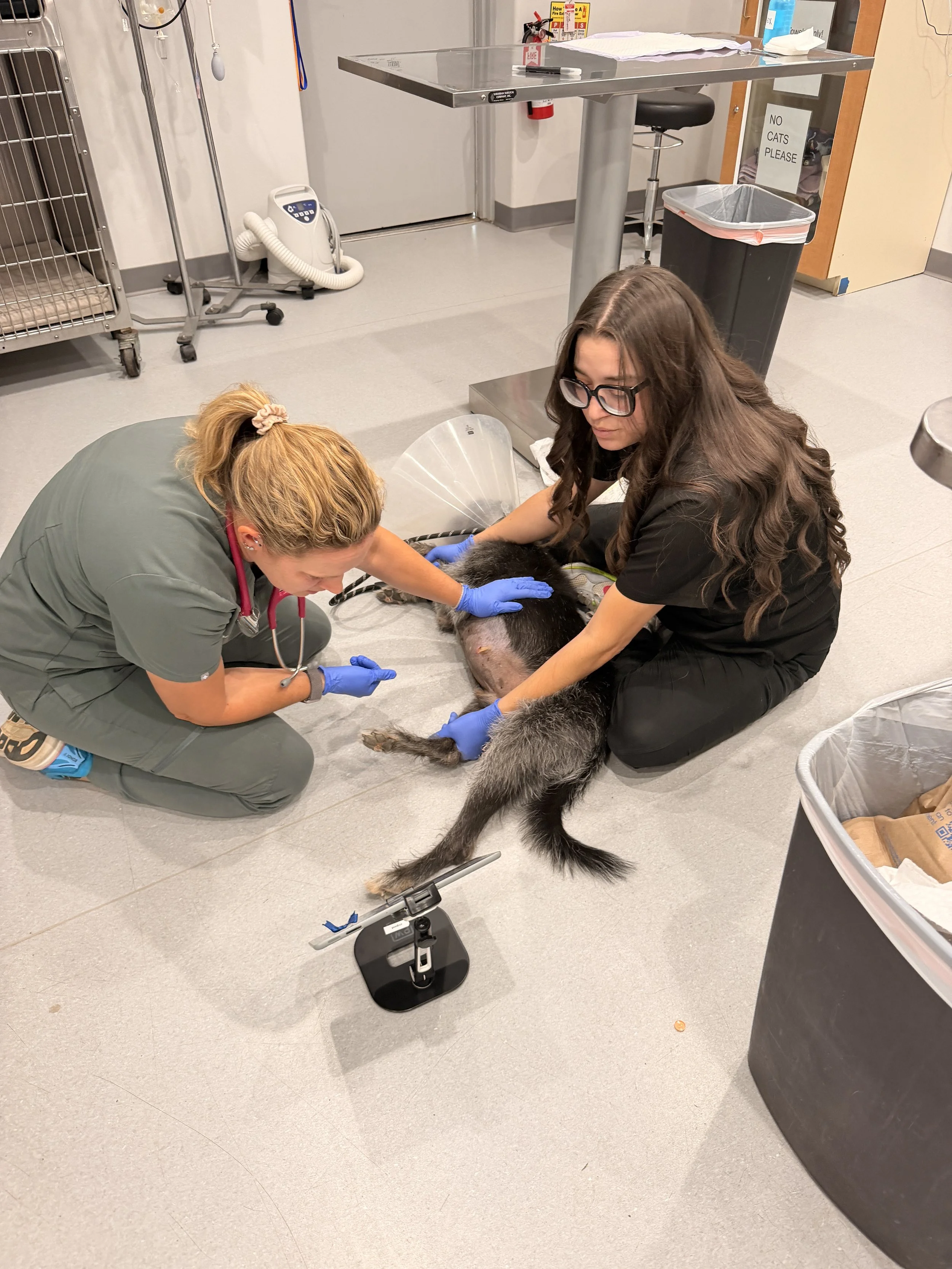
Multimodal Pain Management for Pets
Once your pet’s condition has been diagnosed, our veterinarians will provide you with a range of multimodal treatment options for your pet. These treatments are designed to both alleviate symptoms and address the underlying cause of lameness and pain. Treatment and pain management plans typically include a variety of treatments and therapies such as medications, orthopedic surgery, nutritional supplementation, acupuncture, and cold laser therapy.