
What Arizona Large Animal Owners Need to Know About This Emerging Threat
The recent detection of New World Screwworm (NWS) in the United States has raised concerns among livestock producers, horse owners, veterinarians, and animal health officials across the Southwest. While no cases have been reported in Arizona, the proximity of confirmed cases in Texas highlights the importance of awareness and early detection.
What Is New World Screwworm?
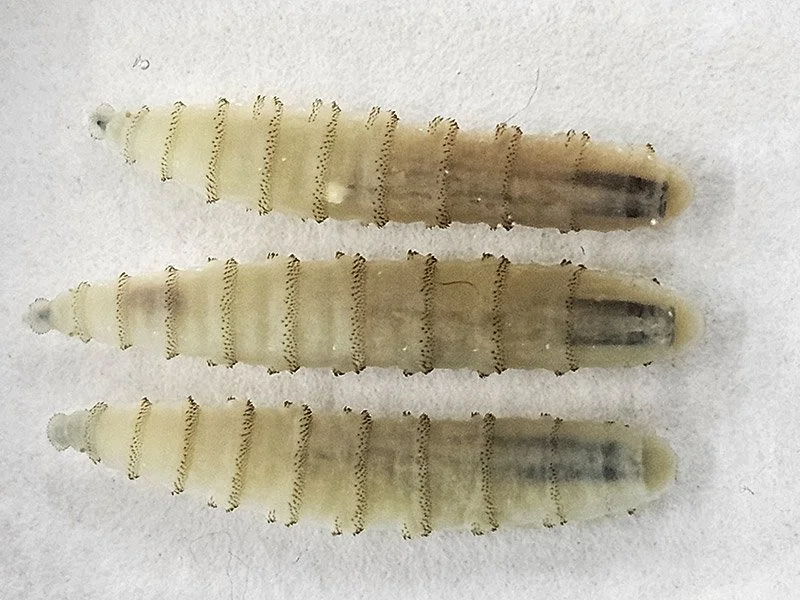
Eggs hatch into first-instar larvae which burrow into the tissue and feed on the living flesh, leading to extensive destruction of tissue
New World Screwworm is not actually a worm—it is the larval stage of the fly Cochliomyia hominivorax. Unlike typical maggots that feed on dead tissue, screwworm larvae feed on living tissue, causing severe wounds, infection, tissue destruction, and potentially death if left untreated. Horses, cattle, sheep, goats, pigs, wildlife, pets, and even humans can be affected.
Adult female flies are attracted to open wounds, surgical sites, navels of newborn animals, branding marks, castration sites, tick bites, and natural body openings. They deposit eggs at the edge of these wounds, and within hours the larvae hatch and begin feeding on healthy tissue.
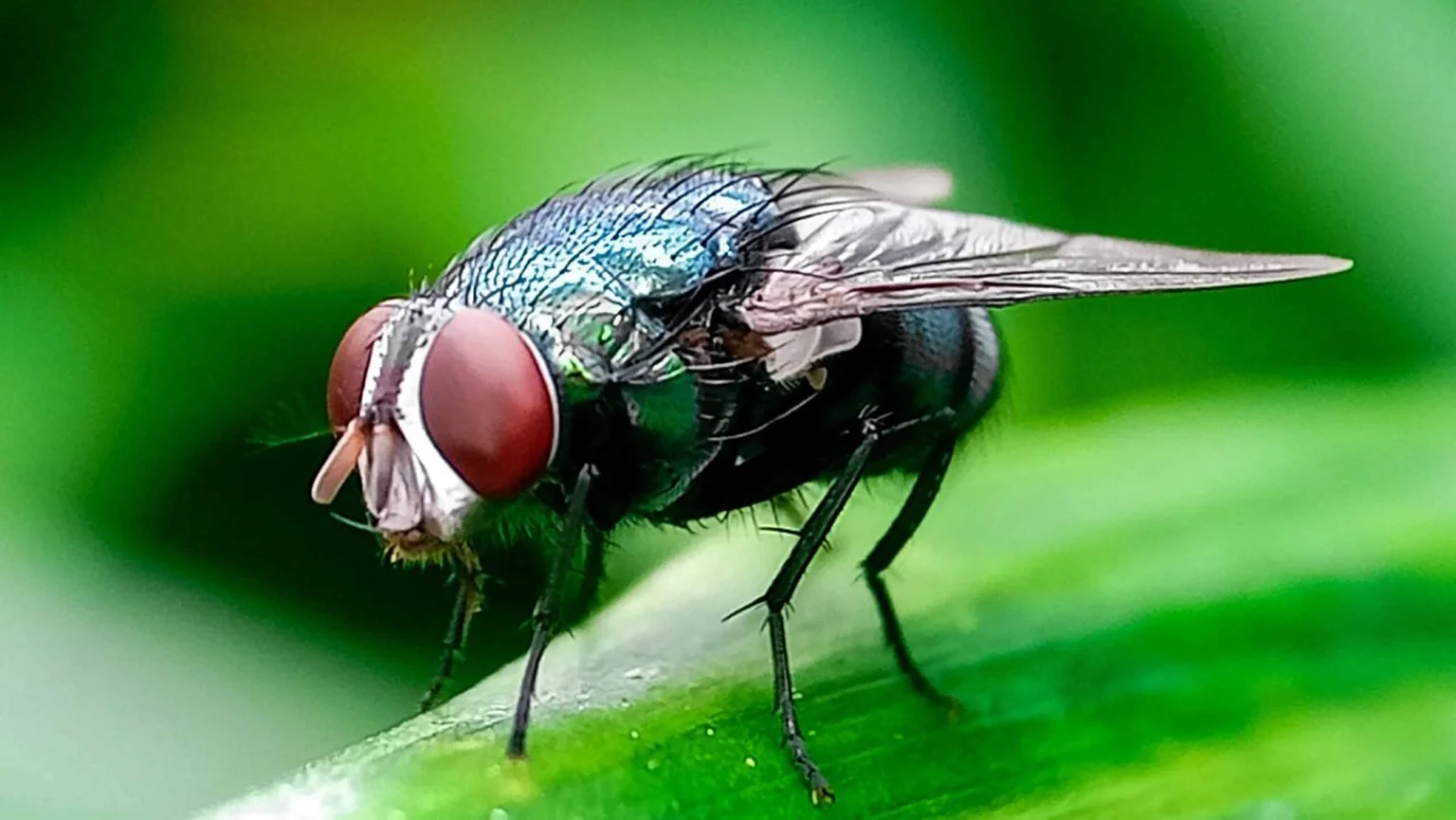
The adult fly emerges from the pupa after 7 – 54 days depending on temperature and humidity . The female fly mates with a male only once and then may lay up to 3,000 eggs within her 10 – 30-day lifespan.
Current Situation in the United States
On June 3, 2026, the USDA confirmed the first U.S. animal case of New World Screwworm in decades in a calf in South Texas. Since then, additional cases have been confirmed in Texas and New Mexico, prompting an aggressive response from federal and state animal health officials. As of June 8, 2026, USDA had confirmed five affected animals, including calves, a goat, and a dog.
In response, USDA APHIS and state agencies have implemented quarantines, increased surveillance, initiated fly trapping programs, and expanded the release of sterile screwworm flies—a proven technique that helped eradicate the parasite from the United States in the 1960s.
Why Arizona Owners Should Pay Attention
Arizona has not reported any cases of New World Screwworm. However, Arizona's climate, livestock industry, equine population, and proximity to the southern border make vigilance important.
The current outbreak originated in Central America and Mexico before moving northward. Animal health officials are working aggressively to prevent further spread, but early detection remains one of the most important tools for protecting livestock and horses.
Signs of New World Screwworm Infestation
Owners should monitor animals closely for:
Wounds that appear larger instead of healing
Foul-smelling or draining wounds
Visible maggots within wounds
Irritation, discomfort, or unusual behavior
Head shaking or rubbing
Lesions around the eyes, nose, ears, mouth, genital area, or navel
Reduced appetite or lethargy in more advanced cases
Screwworm infestations often worsen rapidly because the larvae continue feeding on living tissue, causing wounds to expand over time.
Protecting Your Horses and Livestock
Good wound management is the best defense against New World Screwworm.
Arizona horse and livestock owners should:
-
Check horses, cattle, sheep, goats, and other livestock regularly for cuts, abrasions, surgical sites, or other wounds.
-
Clean and protect wounds as soon as they are discovered. Follow your veterinarian's recommendations for wound care and fly control.
-
Umbilical areas in newborn foals and calves can attract egg-laying flies and should be inspected frequently.
-
Reducing fly populations around barns, corrals, and pastures can help decrease risk.
-
Work with your veterinarian regarding timing and aftercare for procedures such as castration or dehorning, particularly during periods of high fly activity.
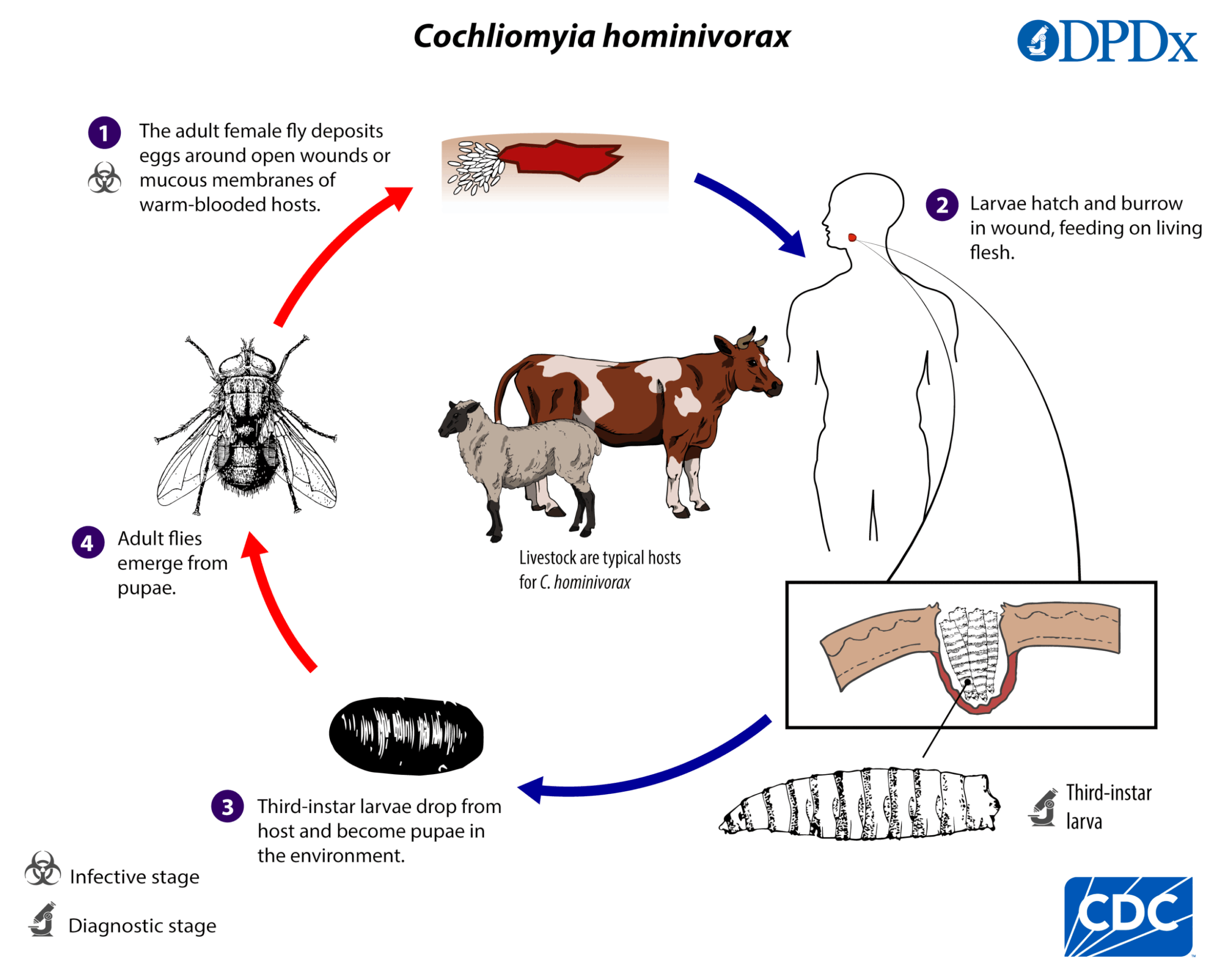
Lifecycle of a New World Screwworm (NWS) or Cochliomyia hominivorax
What To Do If You Suspect Screwworm
If you discover maggots in a wound or observe a rapidly enlarging lesion:
Contact your veterinarian immediately.
Isolate the affected animal if possible.
Do not discard larvae removed from the wound.
Follow guidance from your veterinarian and animal health officials regarding sample collection and treatment.
Rapid reporting allows officials to investigate and respond quickly, helping prevent establishment of the parasite in new areas.
The Bottom Line
While New World Screwworm is not currently present in Arizona, recent detections in the United States serve as an important reminder for horse and livestock owners to remain vigilant. Early recognition, prompt veterinary care, and diligent wound management are critical for protecting Arizona's horses, cattle, and other livestock.
Animal health officials continue to monitor the situation closely, and current response efforts are focused on containing the outbreak before it can become established in the United States.
Have Questions About Your Horse or Livestock?
If you notice a wound that is not healing properly or have concerns about fly-related injuries, contact your veterinarian promptly. Early intervention is always the best protection for your animals.
Jackpot Veterinary Center
520-999-3888