
World Rabies Day: Rabies in Tucson
Published September 2026
Rabies may not be a disease most Tucson pet owners think about regularly, but living in Southern Arizona means we share our environment with wildlife that can carry it.
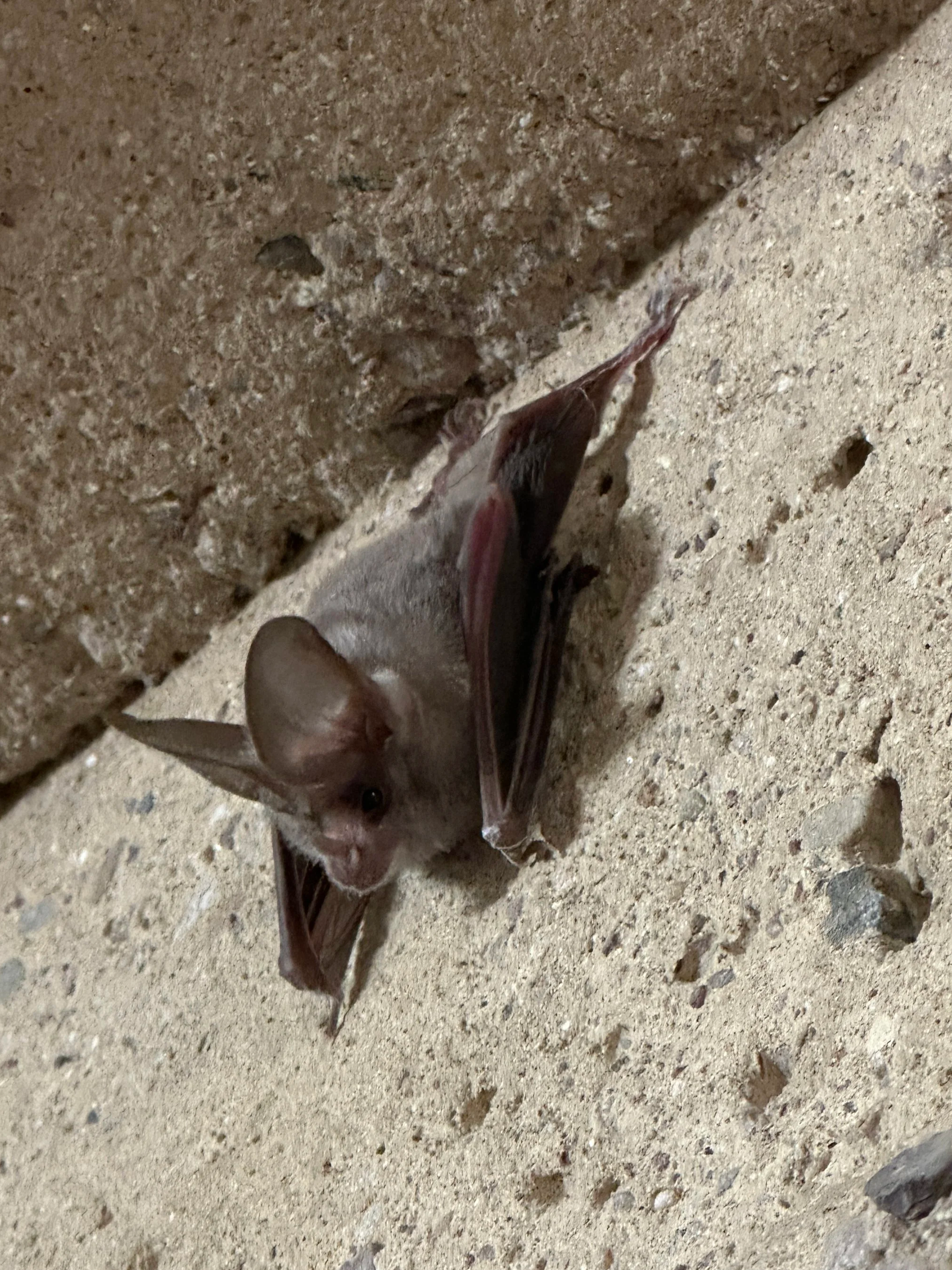
Wild bat perched on a tunnel wall in Tucson.
According to Pima County, rabies is most commonly found in bats, skunks, and foxes in Southern Arizona. The virus can also infect other mammals, including cats, dogs, horses, coyotes, javelina and cattle.
September 28 is World Rabies Day, making it a good time to understand the risks in our area, check your pets' vaccination status and know what to do if you or your pet has a possible exposure.
What is rabies?
Rabies is a viral disease that affects the central nervous system of mammals, including humans. It is generally transmitted through the saliva of an infected animal, most often through a bite or scratch.
One of the reasons rabies is taken so seriously is that once symptoms appear, the disease is fatal. The good news is that rabies is preventable. Vaccinating pets and acting quickly after a possible exposure are two of the most important tools we have for protecting both animals and people.
Why does rabies matter in Tucson?
Southern Arizona is home to a wide variety of wildlife, and encounters aren't limited to hiking trails or trips into the desert. Wildlife can make its way into neighborhoods, yards, barns and even our homes.
Locally, bats deserve particular attention.
Tucson is home to multiple species of bats, and seeing them flying around at dusk is a normal part of living in the desert. Bats are an important part of our ecosystem, and simply seeing a bat outside isn't a reason for alarm.
The concern is direct contact or a situation where contact may have occurred without you realizing it.
What if you find a bat in your home?
A bat inside your home should be handled differently from one you see flying outside.
If you find a bat indoors and aren't sure whether a person or pet could have come into contact with it, don't touch the bat with your bare hands and don't immediately release it outside.
If possible, isolate it by closing the doors and windows leading out of the room and keep people and pets away. Pima County recommends contacting Pima Animal Care Center for guidance.
This is particularly important when a bat is discovered in a situation where someone may not be able to confidently rule out contact.
Because bat bites can be small and difficult to identify, don't rely solely on finding an obvious bite wound to decide whether an exposure occurred.
If you aren't sure whether a person may have been exposed, the Pima County Health Department can perform a rabies risk assessment by phone at 520-724-7797.
What should I do if my pet encounters a wild animal?
If your dog, cat or horse has an encounter with a bat, skunk, fox or other potentially rabid mammal, separate your pet from the animal as safely as possible.
Avoid handling the wild animal yourself and contact your veterinarian promptly, even if you don't see an obvious wound.
Your veterinarian can help determine the appropriate next steps based on the type of exposure and your pet's rabies vaccination history.
If you were bitten or scratched during the encounter, wash the wound thoroughly with soap and water and seek medical attention. Possible human rabies exposures should be evaluated promptly rather than waiting to see if symptoms develop.
Does my indoor cat really need a rabies vaccine?
It's easy to assume an indoor-only pet isn't at risk, but bats and other wildlife don't always stay outside.
A bat can enter a home through a surprisingly small opening, creating an opportunity for an indoor cat to encounter wildlife without ever stepping outside.
For this reason, Pima County specifically recommends keeping indoor cats vaccinated against rabies, too.
Rabies vaccination also matters for horses
Dogs and cats aren't the only animals susceptible to rabies. Horses can become infected as well.
Horses may encounter wildlife in pastures, barns, stalls or other outdoor areas, and the initial bite or wound may go unnoticed. Keeping your horse's preventive care and vaccinations current is an important part of protecting them from diseases they may encounter in our area.
If you aren't sure whether your horse is current on rabies vaccination, talk with your veterinarian about their individual vaccination schedule and risk factors.
How can Tucson pet owners reduce the risk?
A few simple precautions can make a big difference:
Keep your pets' rabies vaccinations current, including indoor cats.
Don't allow pets to approach or investigate wildlife.
Never handle a bat or wild animal with your bare hands.
Supervise pets outdoors when possible.
Teach children not to touch unfamiliar wild or domestic animals.
Take unusual wildlife behavior seriously, especially an animal that appears injured or is acting abnormally.
Prevent bats from entering the living areas of your home by checking screens, doors and other possible entry points.
Know who to call before an exposure happens.
For dogs, rabies vaccination isn't only a health recommendation. Dogs three months of age or older that are kept in Pima County for 30 days or longer are generally required to be vaccinated against rabies and licensed, although residents of Marana and Sahuarita should check their town-specific licensing requirements.
Prevention starts before an encounter happens
Rabies isn't something pet owners need to be afraid of every time they see wildlife. Instead, World Rabies Day is a good reminder that prevention and preparation matter.
Know which animals may pose a risk, give wildlife plenty of space, keep your pets' vaccinations current and know what to do if an unexpected encounter occurs.
Most importantly, don't wait for an emergency to wonder whether your pet is protected.
Not sure when your dog, cat or horse last received a rabies vaccine? Give Jackpot Veterinary Center a call. We can review your pet's vaccination history and help you determine when they're due.
Sources & Additional Resources
Pima County Health Department – Rabies: Local rabies information, exposure guidance, prevention recommendations, and contact information. Pima County
Pima County Rabies InformationPima County Health Department – “Have You Found a Bat?”: Guidance on what to do if a bat is found in or around your home, including when to contact Pima County or submit a bat for testing. CivicPlus
Pima County Bat & Rabies Flowchart (PDF)American Veterinary Medical Association – World Rabies Day: Information about World Rabies Day and the continuing rabies threat in the United States.
AVMA: World Rabies Day Turns 20Rabies Educational Video:
Watch the video on YouTube