
Tucson Wildlife & Your Pets: What to Watch For and What to Do After an Encounter
One of the best parts of living in Tucson is being surrounded by the Sonoran Desert—and that also means sharing our neighborhoods, trails and backyards with wildlife.
As temperatures become more comfortable, many of us spend more time walking, hiking and enjoying the outdoors with our pets. Wildlife may be out there, too. Coyotes, javelina and bobcats are common visitors to Tucson-area neighborhoods, while rattlesnakes, bats, birds of prey and many other species live throughout Pima County.
Most wild animals want nothing to do with you or your pet. Giving them space is usually enough to avoid a problem. But curious pets don't always understand those boundaries.
Here are some of the animals Tucson pet owners should know about and what to do if an encounter happens.
Rattlesnakes
Rattlesnakes are a normal part of life in the Sonoran Desert. Although snake activity changes with temperature and season, Tucson's warm climate means pet owners should continue watching where their pets are sniffing and exploring rather than assuming snake season is completely over.
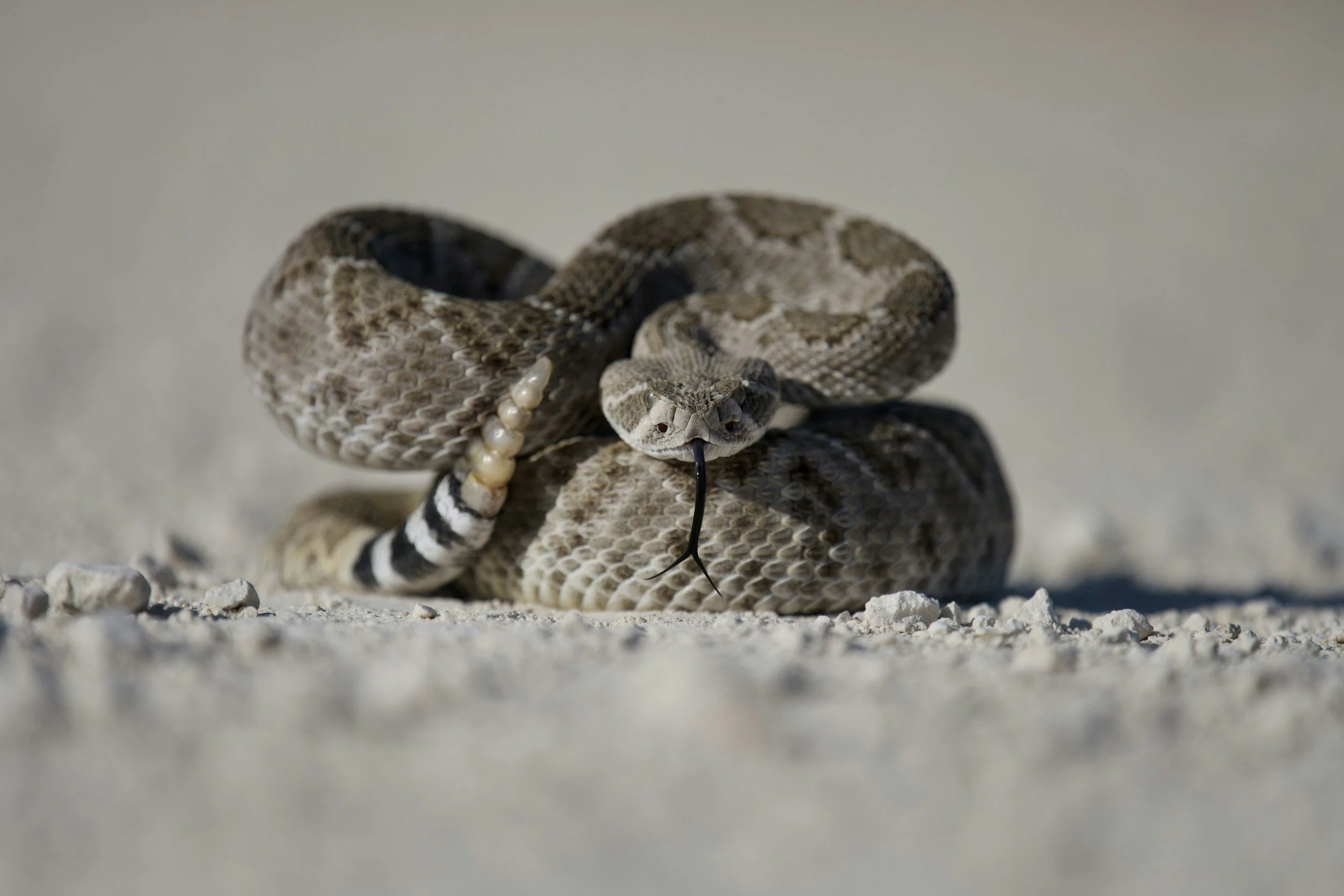
How to reduce the risk: Keep your dog leashed on trails, don't allow pets to investigate holes or areas you can't see, and take a quick look around your yard before letting pets outside.
If your pet is bitten: Treat a suspected rattlesnake bite as an emergency and contact a veterinarian immediately. Keep your pet as calm and still as possible while arranging care. Don't cut the wound, apply ice or attempt to suck out venom. For safety, never attempt to capture or bring the snake to the veterinary clinic. If you can safely take a photo from a distance, you may bring that instead.
Coyotes
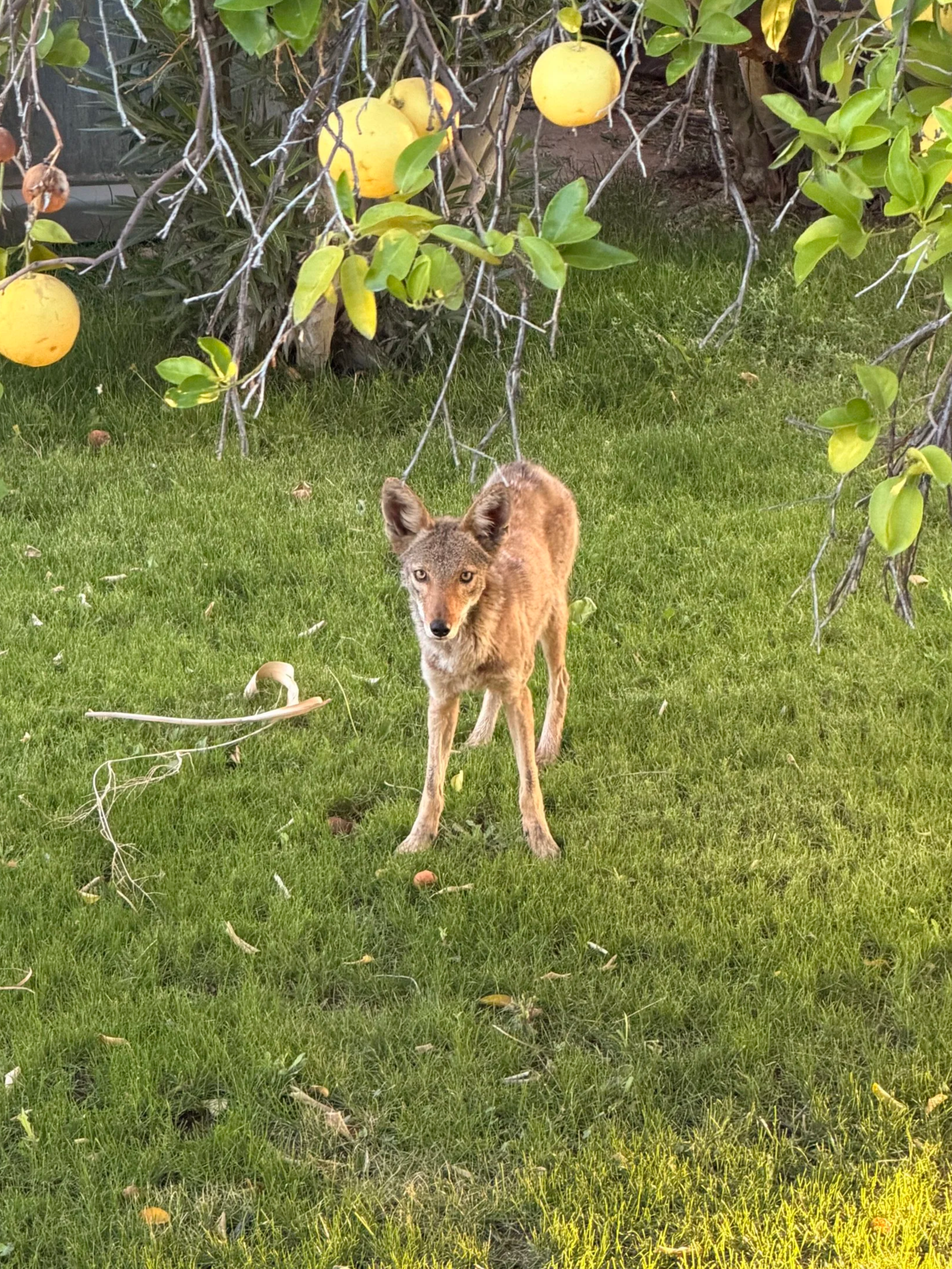
Coyotes are well adapted to living around Tucson and can be found even in developed neighborhoods. They are particularly active around dawn and dusk.
Small dogs and cats can be viewed as prey, while larger dogs may get into a confrontation if they chase or approach a coyote.
How to reduce the risk: Don't leave small pets outside unattended, particularly around dawn and dusk. Keep dogs leashed on walks, bring pet food inside, secure garbage and avoid intentionally feeding wildlife.
If you encounter one: Keep your pet close and create distance. If you're walking a small dog, Arizona Game & Fish recommends picking the dog up and leaving the area.
If your pet is bitten or otherwise injured during an encounter, contact your veterinarian.
Javelina
Javelina are another familiar sight around Tucson, especially in neighborhoods near washes and undeveloped desert.
They don't typically seek out conflict with people, but dogs can change the situation quickly. Javelina may perceive dogs as predators and can become defensive, particularly if they're cornered or protecting young.
How to reduce the risk: Never allow your dog to chase or approach javelina. Keep dogs leashed and give a herd plenty of room to move away.
If an encounter occurs: Get yourself and your pet away from the area rather than trying to intervene between the animals. Javelina can cause significant wounds, so any pet involved in a physical encounter should be evaluated by a veterinarian.
Bobcats
Seeing a bobcat in a Tucson neighborhood isn't necessarily cause for alarm. Bobcats generally avoid people, but our yards can offer food, water, shade and prey.
Small dogs, cats, rabbits and backyard poultry are at greater risk.
How to reduce the risk: Supervise small pets outdoors, particularly around dawn, dusk and nighttime. Remember that a standard fence isn't necessarily enough to keep out a bobcat—they're excellent climbers and jumpers.
If your pet has a physical encounter with a bobcat, contact your veterinarian. Wild mammals can cause wounds that aren't immediately obvious, and rabies exposure also needs to be considered.
Mountain Lions
Mountain lion sightings are much less common than sightings of coyotes, javelina or bobcats, but mountain lions do live in Southern Arizona. Washes, parks and other natural corridors can allow them to move through areas near development.
If you see one: Don't approach it and don't run. Keep your pet close, face the animal and slowly create distance while giving it a way to leave.
Pets should not be allowed to roam freely in areas where mountain lions may be present. Small pets and other domestic animals are potential prey.
If a mountain lion attacks a pet or you observe one behaving unusually in an urban area, contact the appropriate wildlife authorities and seek veterinary care for an injured pet.
Bats
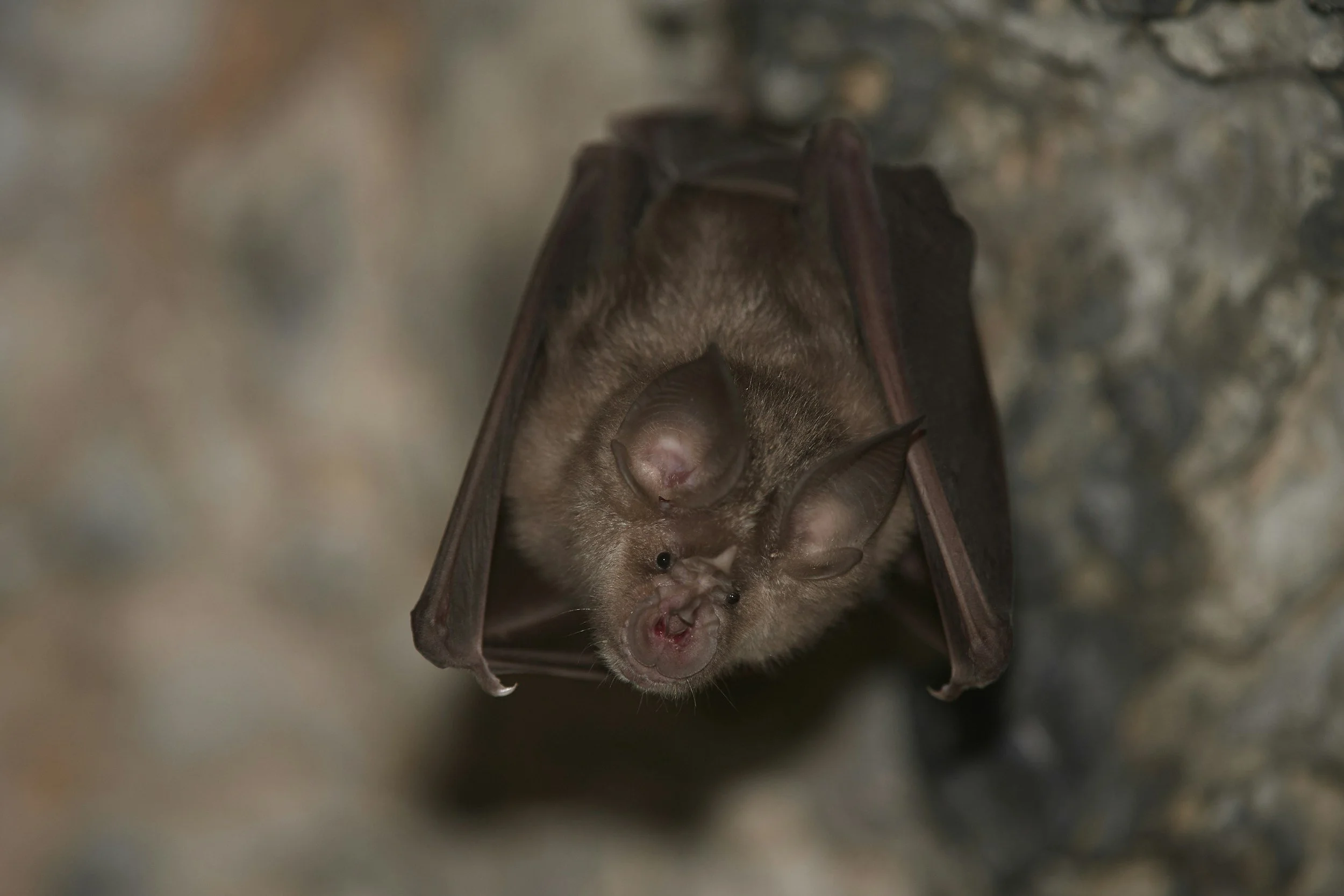
Bats are an important part of Tucson's ecosystem, but they deserve special attention because bats are one of Arizona's primary rabies hosts.
Never allow a dog or cat to play with a bat, even if the bat appears dead or unable to fly.
If your pet comes into contact with a bat: Separate your pet from the bat without handling the bat with bare hands, and contact your veterinarian and local public health or animal-control authorities promptly. The bat may need to be tested for rabies, so don't simply release or dispose of it before receiving guidance.
Keeping your pet's rabies vaccination current is one of the most important protections you can provide. If you are unsure whether your pet has been vaccinated, a veterinarian may recommend vaccination at the time of treatment.
Hawks, Owls & Other Birds of Prey
Hawks and owls are common throughout Tucson, and Arizona sees additional raptors during fall and winter migration.
For most pets, they're simply another beautiful part of our desert landscape. Very small dogs, cats, rabbits, chickens and other small animals, however, can resemble natural prey.
How to reduce the risk: Stay outside with small pets and consider a sturdy, covered enclosure if they spend time outdoors unattended. Be particularly aware of your surroundings around dawn, dusk and nighttime when some birds of prey are actively hunting.
Sonoran Desert Toads
These large desert toads are most commonly encountered during our rainy season, but they're worth knowing about because dogs are notoriously curious.
Sonoran Desert toads produce potent toxins through their skin. A dog that mouths or licks one can quickly develop excessive drooling or foaming, very red gums, vomiting, stumbling, tremors, seizures or abnormal heart rhythms.
If your pet mouths a toad: This can become a life-threatening poisoning. Contact a veterinarian immediately. Promptly rinsing the mouth with plenty of water can help remove toxin, but veterinary treatment may still be necessary.
Foxes & Skunks
You may not encounter foxes or skunks as frequently as some of Tucson's other wildlife, but there's an important reason to include them on your radar: along with bats, foxes and skunks are principal rabies hosts in Arizona.
Never allow your pet to approach a wild animal that seems unusually friendly, disoriented, aggressive, paralyzed or otherwise abnormal.
If your pet is bitten, scratched or has direct contact with a bat, fox, skunk or other potentially rabid mammal, contact your veterinarian promptly—even if you can't see an obvious injury.
A Few Habits Can Prevent a Lot of Trouble
Living alongside wildlife is simply part of calling Tucson home. The goal isn't to be afraid of our wild neighbors; it's to give them space and help our pets do the same.
Keep dogs leashed when you're out exploring, supervise small pets outside, secure trash and pet food, avoid feeding wildlife, and keep your pets' rabies vaccinations current.
Most importantly, if an encounter does happen, don't put yourself in danger trying to separate your pet from a wild animal. Once you're safely away, check your pet for injuries and call your veterinarian. Bite wounds, venom exposure, toxins and potential rabies exposure aren't always obvious right away.
A little awareness goes a long way toward letting all of us—two-legged, four-legged and wild—enjoy Southern Arizona safely.